
김래언
포항공과대학교 박사과정
계층적 코어-쉘 구조를 통한 우수한
강도-경량화-가격경쟁성 달성 방안
:우주 발사체를 위한 신 합금
대한금속재료학회
지도교수: 김형섭 교수님
2026.04.28
1 장
Profile
김래언 (Rae Eon Kim)
Present: POSTECH, GIFT Ph.D candidate, 지도교수: 김형섭 교수님
M.S: POSTECH, GIFT
B.S: POSTECH, Mechanical Engineering
▪Research field
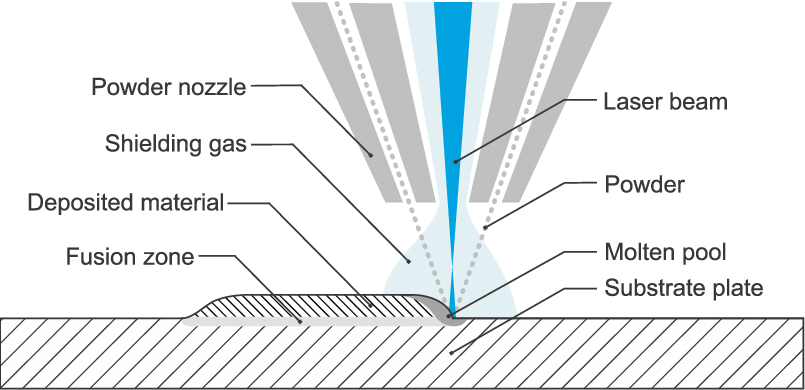
Additive manufacturing
Alloy Design
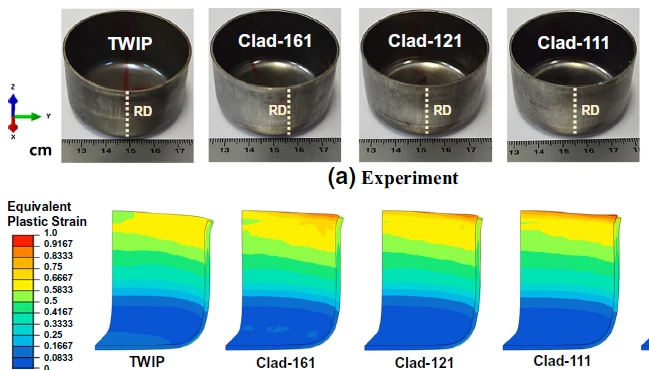
Formability
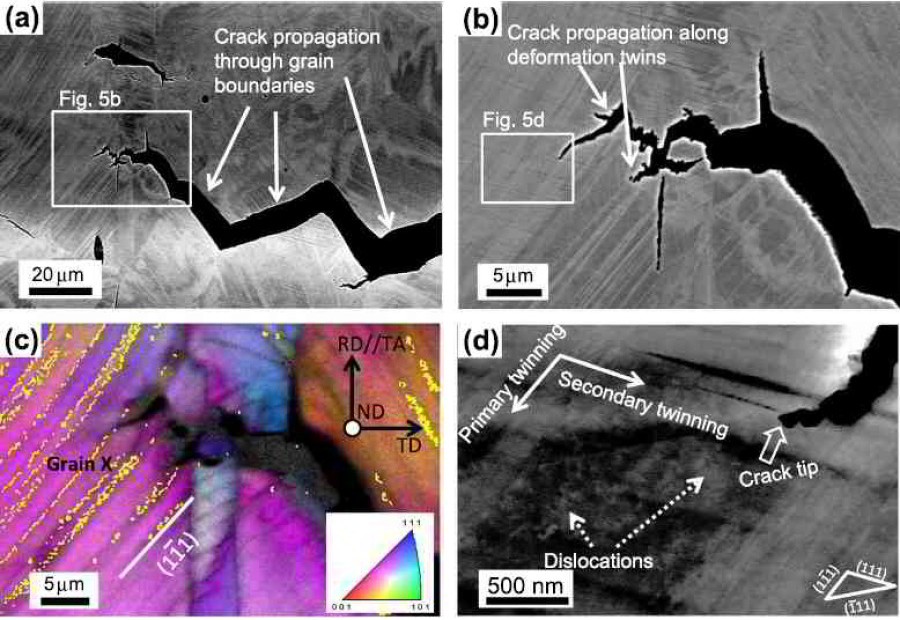
Hydrogen embrittlement


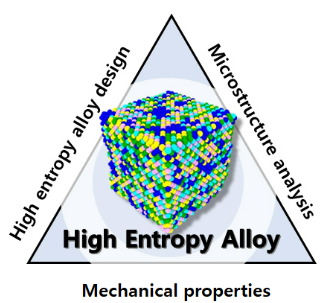
Heterostructure



1 장
고온 구조 재료
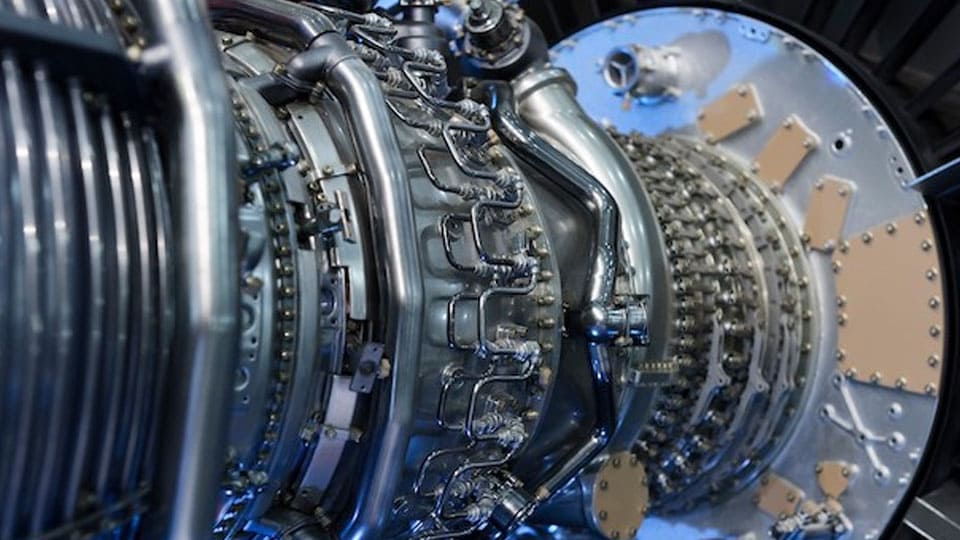

Space rocket engine, nozzle extension
Gas turbine
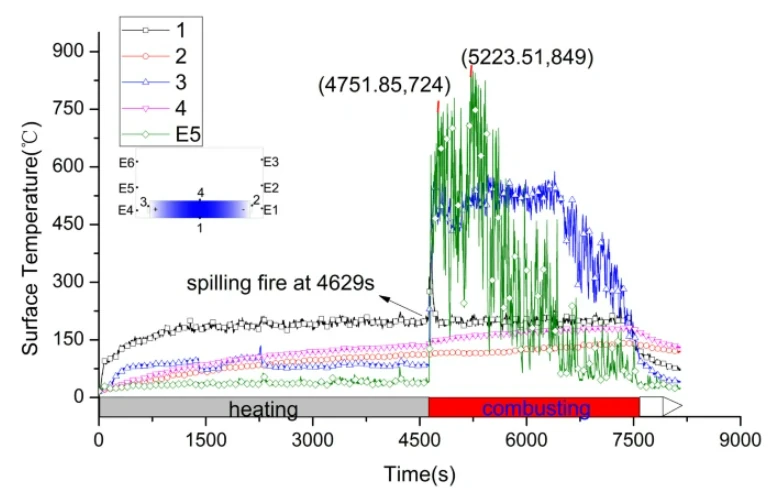
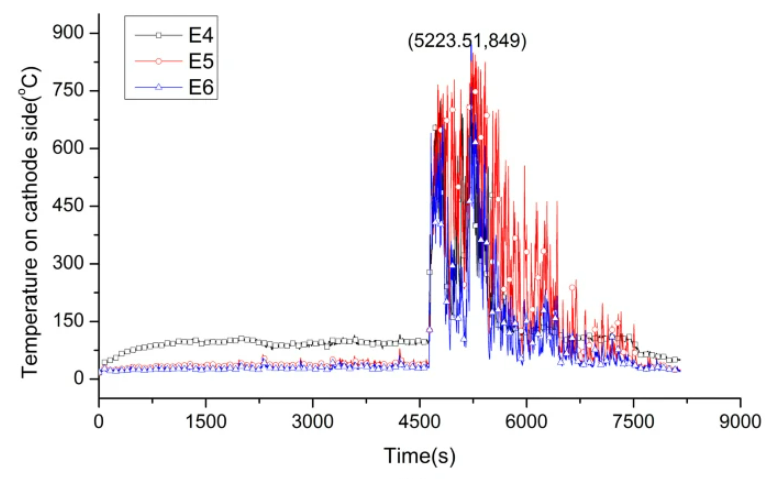
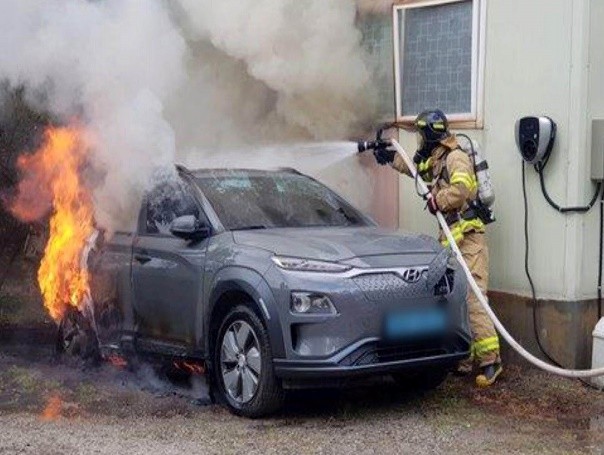
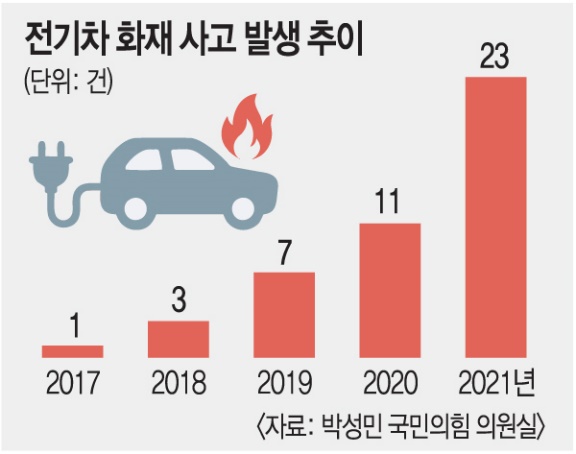
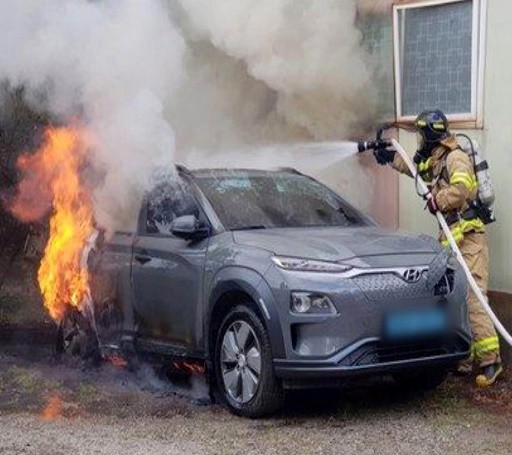
Electric vehicle battery pack
High-tech industry requires high T structrual materials
1 장
고온 구조 재료
Inconel
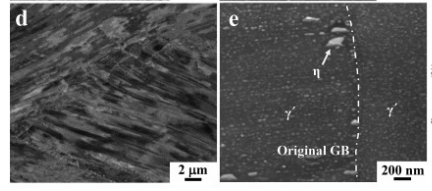
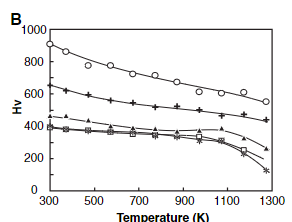
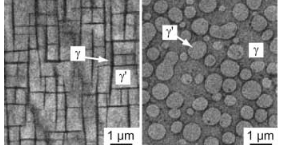

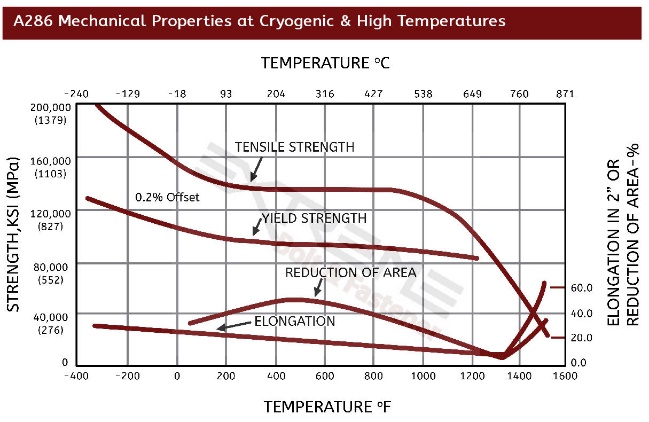
A286
[1]
[3]
[2]
Ni-20Cr-6Mo-5Fe-
Fe-27Ni-16Cr-1Mo-
Co-9Al-7.5W
Ni based Superalloy
Co based Superalloy
Fe/Ni based Superalloy
[1] M.M. Oliveira et al. metals 9 (2019) 301
[2] J. Sato. et al. Science 5770 (2006) 90-91
[3] https://www.extreme-bolt.com/
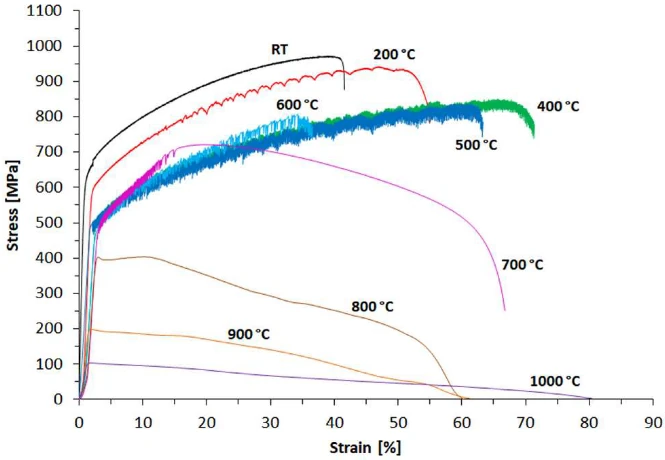
Superalloys show high T stability and strength
1 장
고온 구조 재료
[1] Lei H. et al. Fire Technol. 54 (2018) 1609-1628
[2] J. Chen et al. J. Struct. Eng. 132 (2006) 12
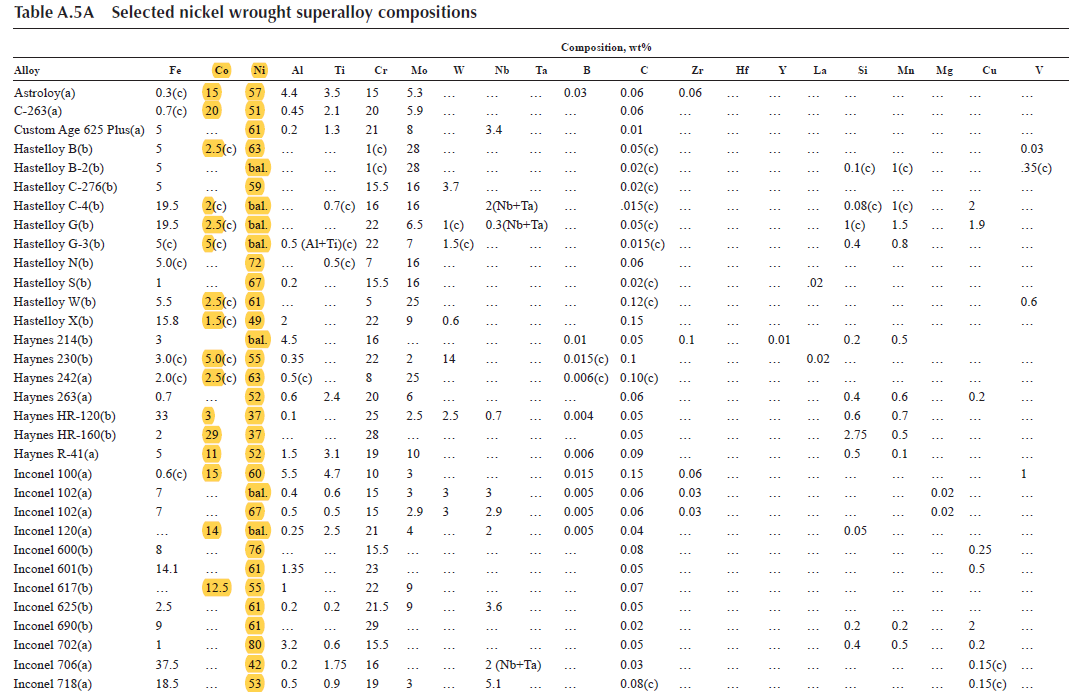
High content of
Ni and Co

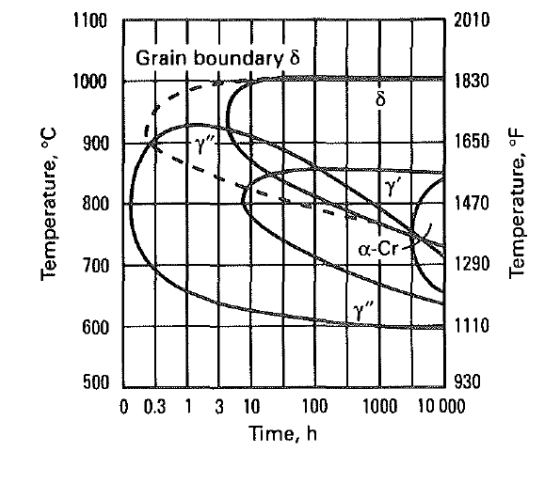
Inconel 718 TTT
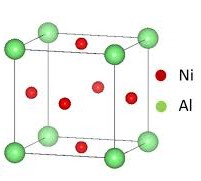
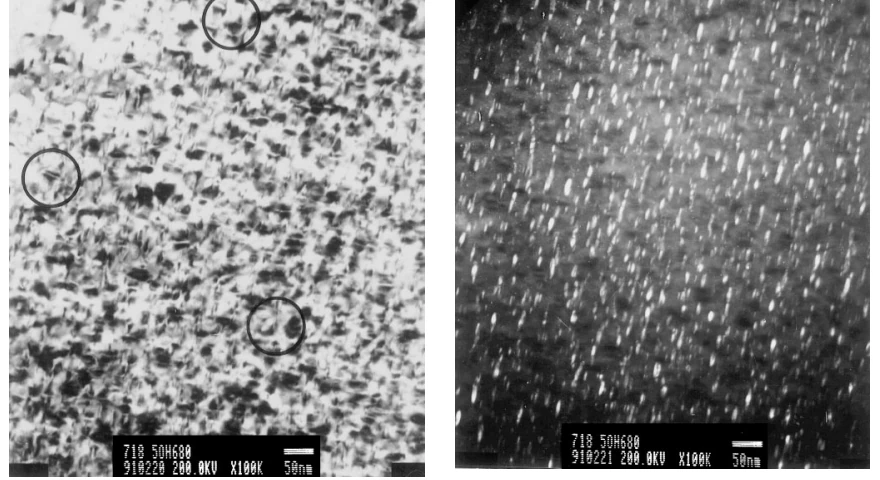
γ’ (L12) Hardening
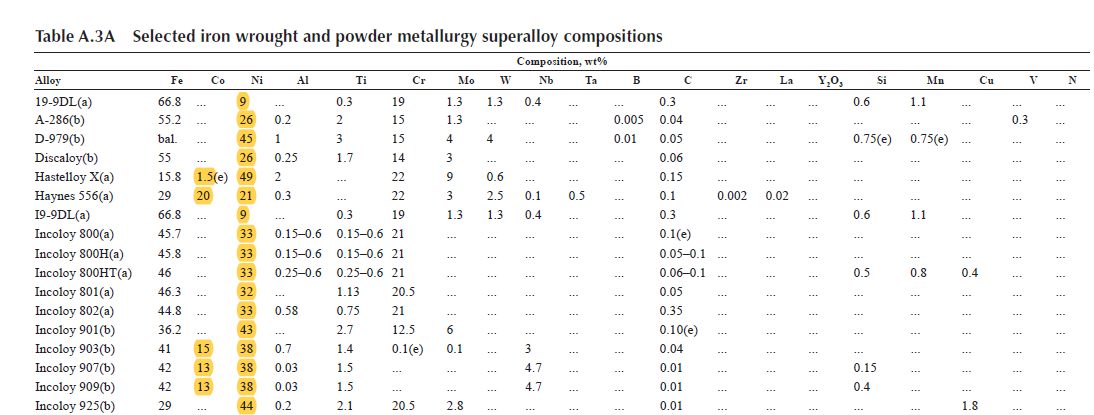
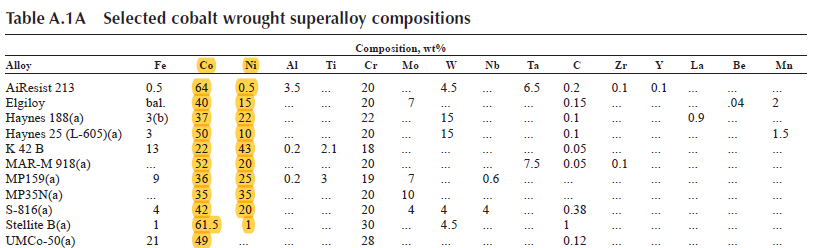
Conventional superalloys relie on L12 precipitate and
solid solution hardenings
1 장
고온 구조 재료

Price
Ni : 8.90 g/cm3
Co : 8.83 g/cm3
Fe : 7.87 g/cm3
Ni : 1.57 $/kg
Co : 2.43 $/kg
Weight
High T
properties

Cost
Effetiveness
Low alloy density
Excellent mechanical properties at high T
The materials with high T properties, price, and low alloy density are required
Trade-off
1 장
합금 설계
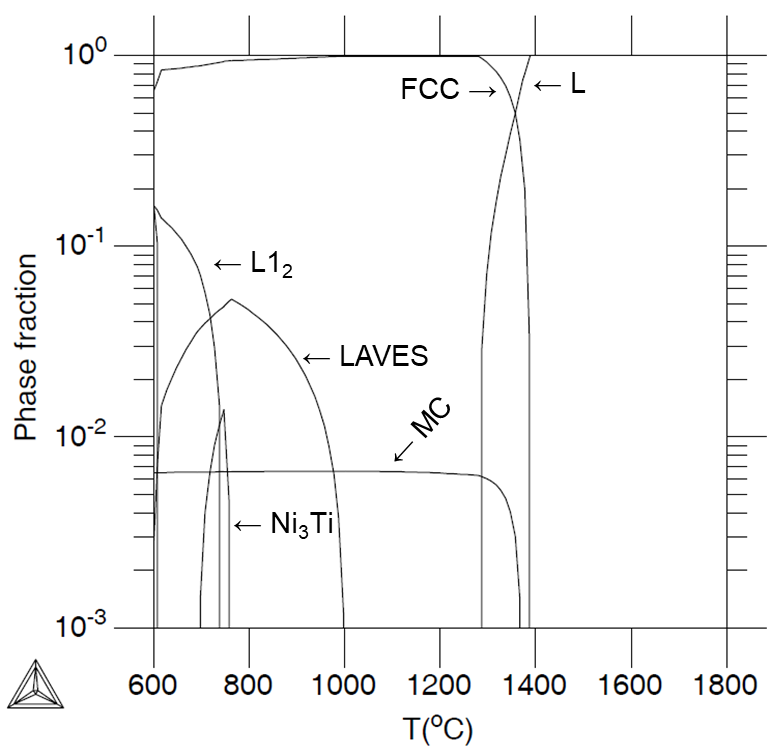
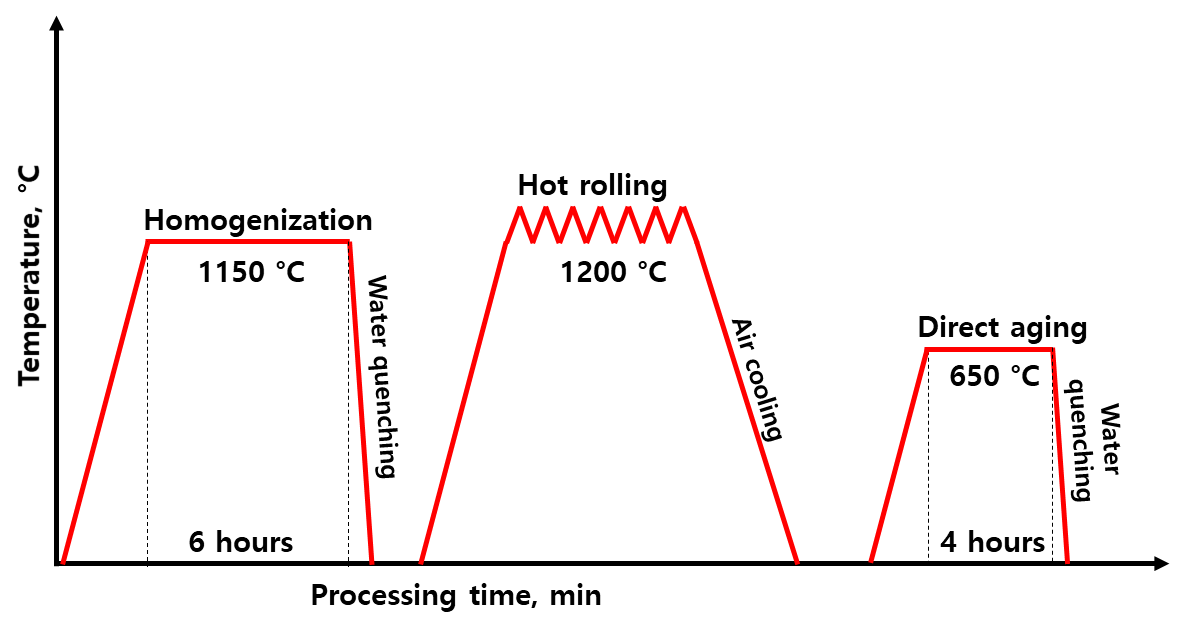
60FeHR
60FeAG
60Fe-23.2Ni-10Cr-3Ti-3Al-0.5Nb-0.3C (at%)
|
Fe |
To ensure cost competitiveness, it is added at 60 at% |
Cr |
Oxidation resistance Fraction of γ' is increased |
C |
High-temperature stability (Nb,Ti)C increased strength |
|
Ni |
stability is enhanced Fraction of γ' is increased |
Al, Ti |
Essential elements for γ' precipitates weight reduction |
Nb |
Solid solution strengthening Fraction of γ' is increased |
Low precipitate fraction → Low strength
Heterostructures to compensate for the low strenth from the precipitates
1 장
고온 구조 재료
RE Kim et al, Acta Mater. 281 (2024) 120397
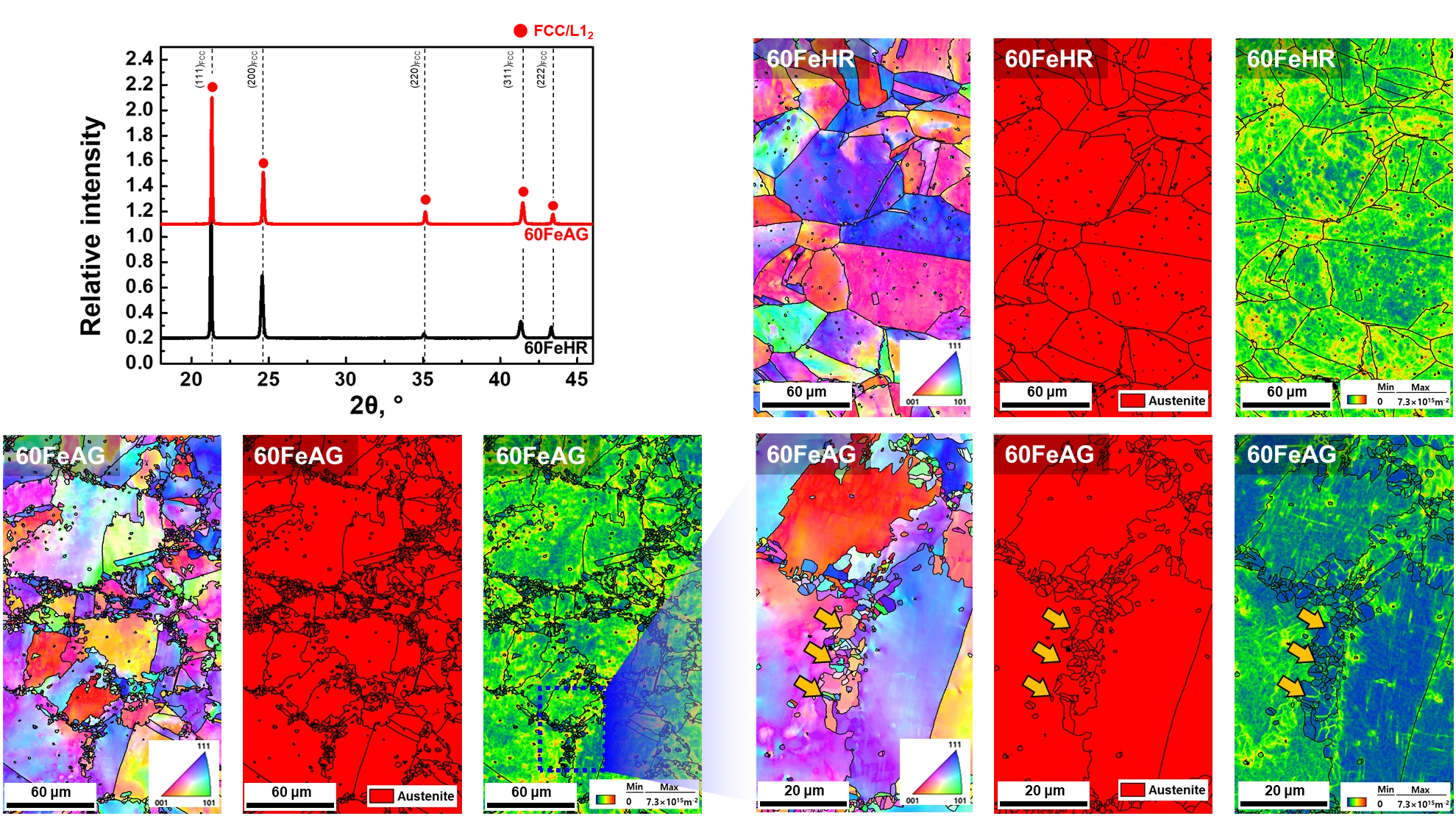
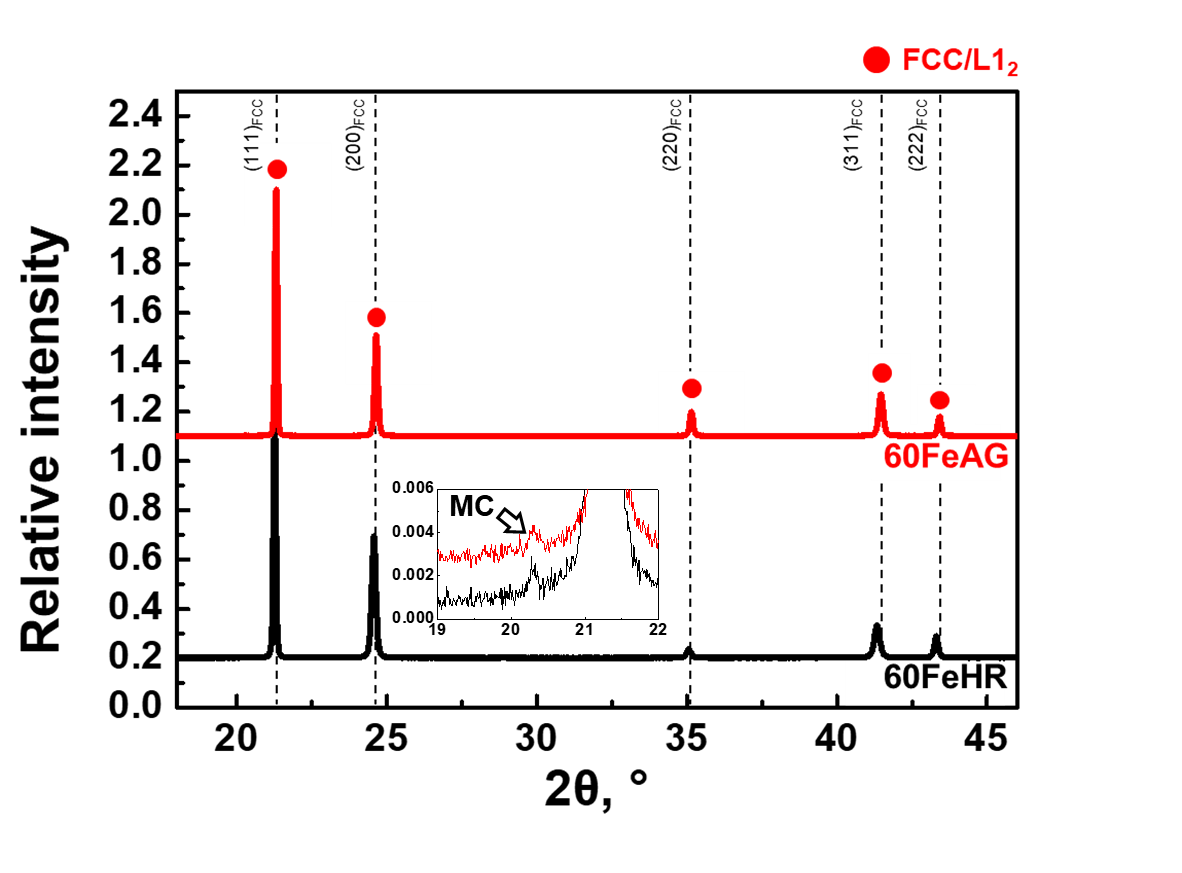
Both materials exhibit FCC matrix+carbide
60FeAG sample shows core-shell structure
■ Microstructure
1 장
고온 구조 재료
RE Kim et al, Acta Mater. 281 (2024) 120397
Local discontinuous precipitation
in core-shell grain structures
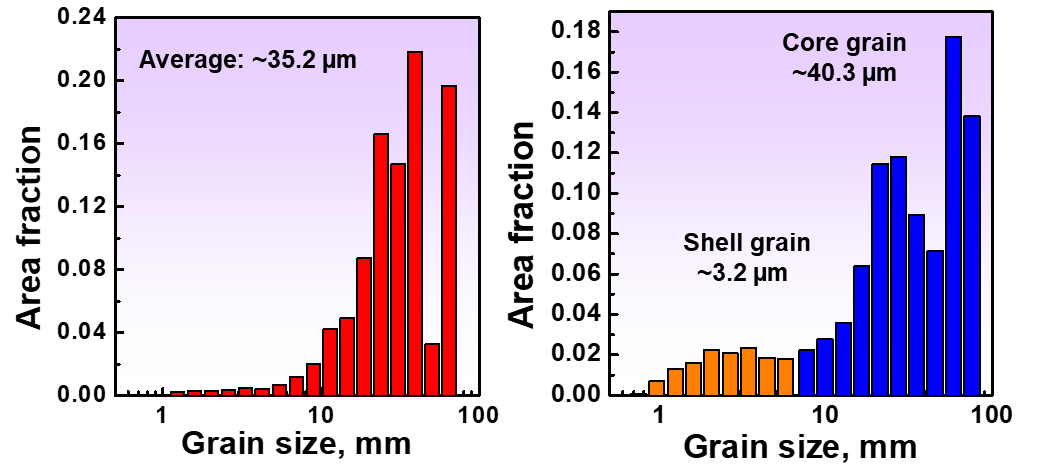
|
Sample |
Grain size |
Precipitates |
|
|
60FeHR |
35.2 μm |
X |
|
|
60FeAG |
Shell |
40.3 μm |
Rod shape Discontinuous precipitates (DP) |
|
Core |
3.2 μm |
Spherical shape Continuous precipitates (CP) |
|
60FeHR
60FeAR
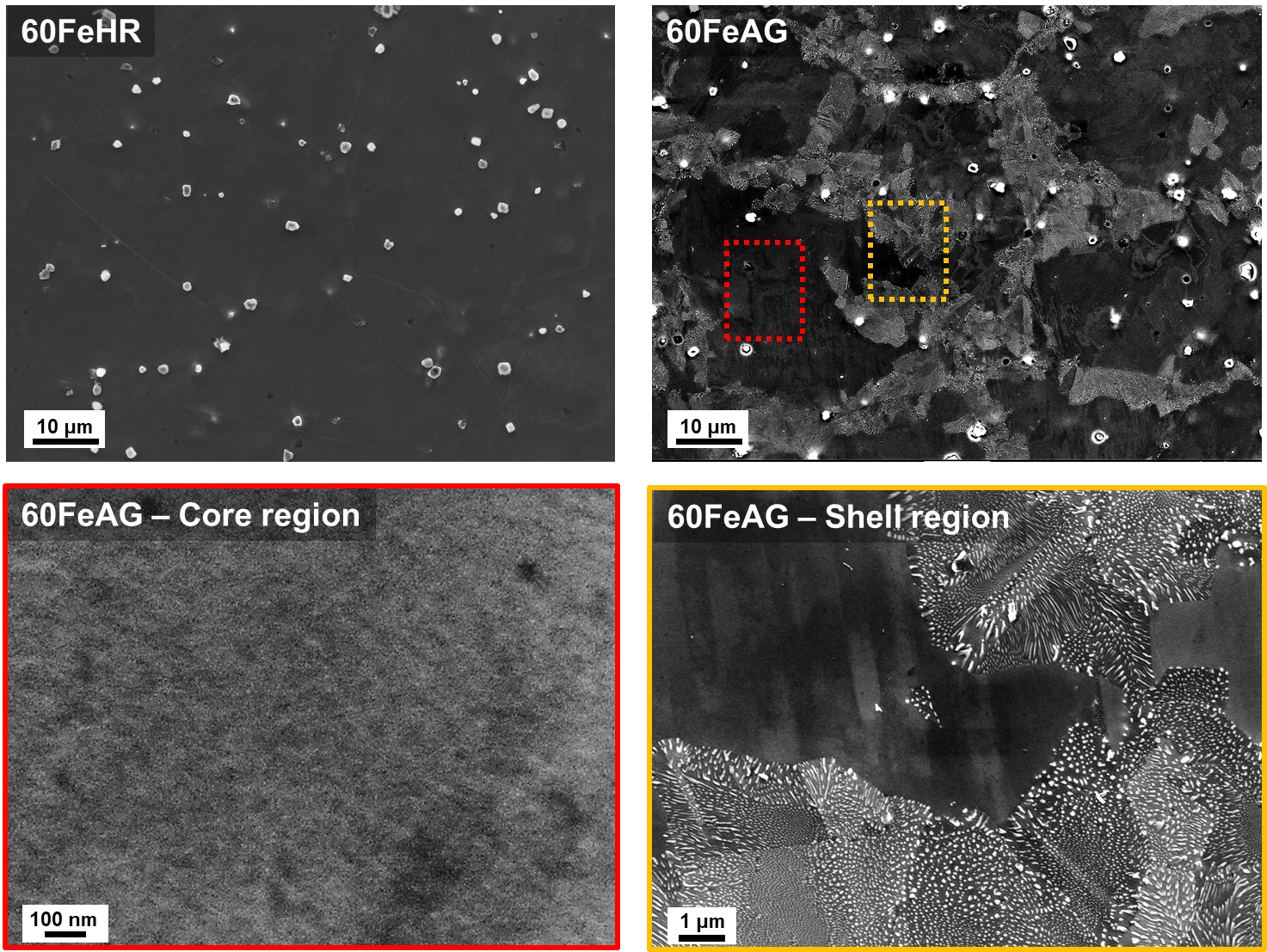


Table. Microstructrual features of each samples
BSE images
Carbide
■ Dual-graded Core-Shell structure
1 장
고온 구조 재료
RE Kim et al, Acta Mater. 281 (2024) 120397
Heterogeneous precipitates embedded
in core-shell grain structure
TEM Analysis
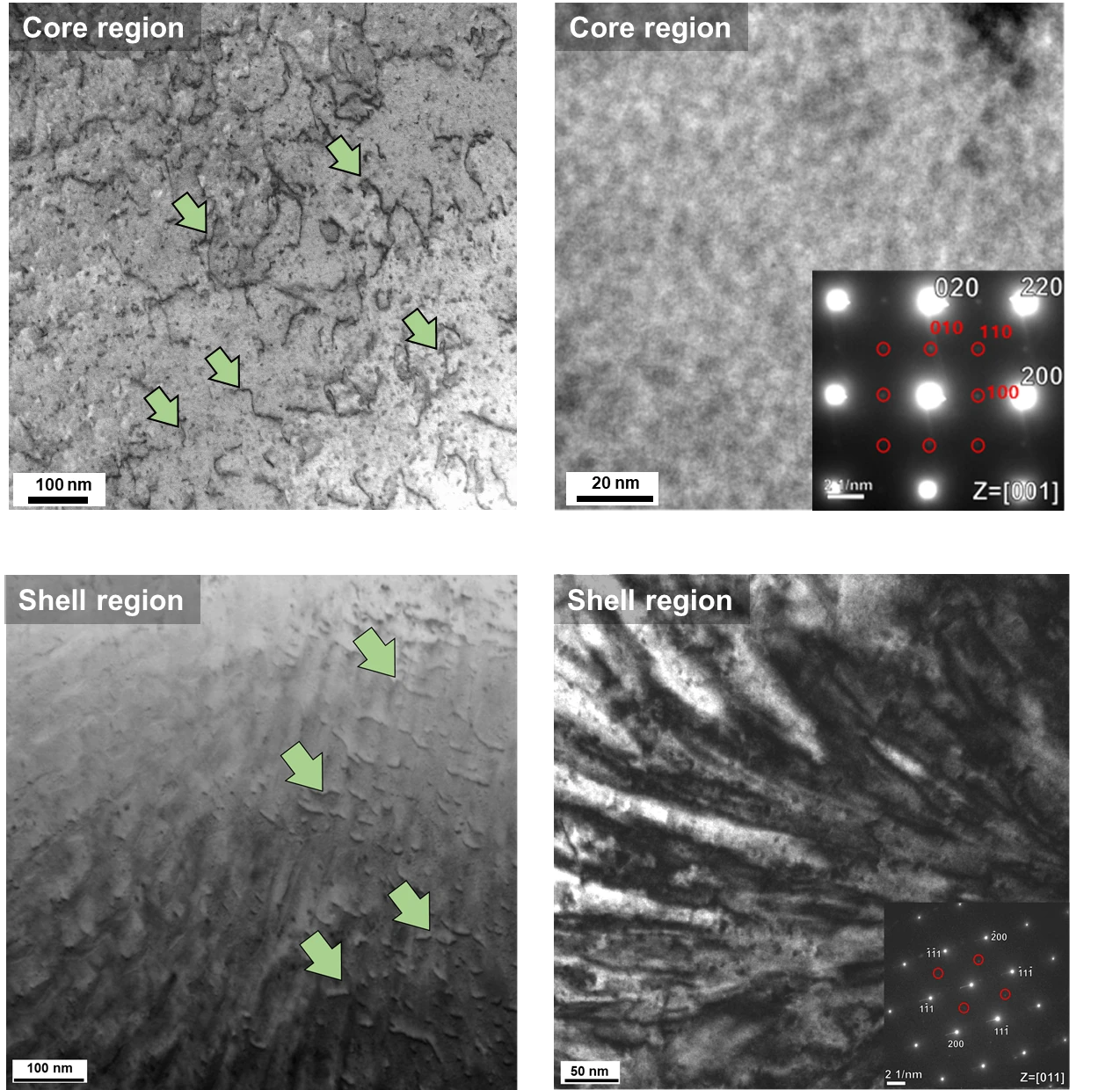
■ Dual-graded Core-Shell structure
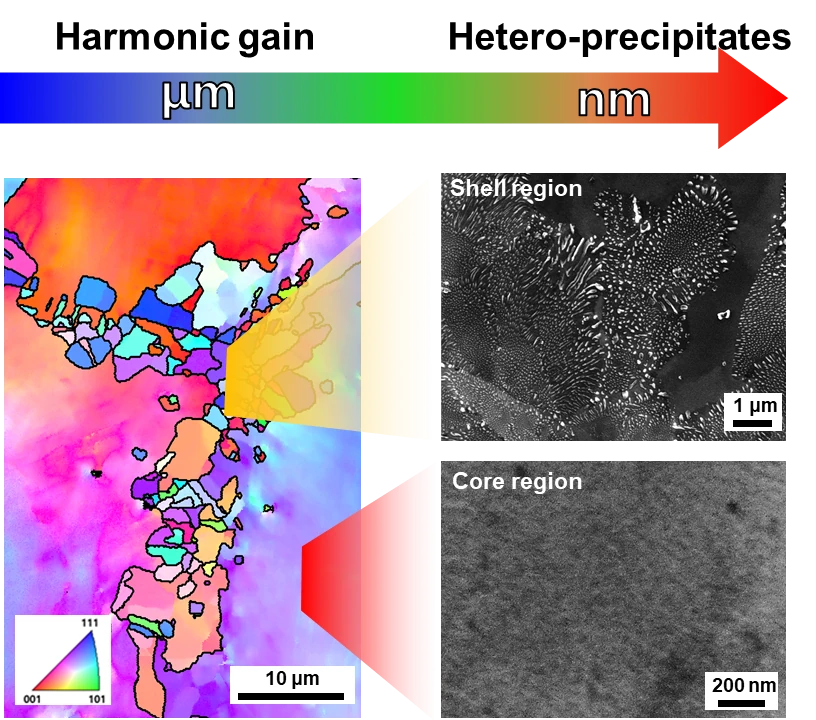
Schematic of Dual-graded Core-shell
1 장
Dual-graded core-shell 생성 원리
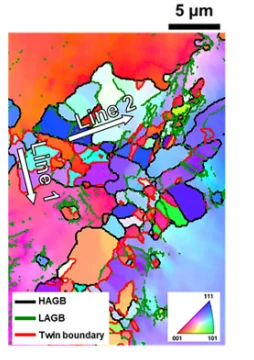
Step 1.
Step 2.
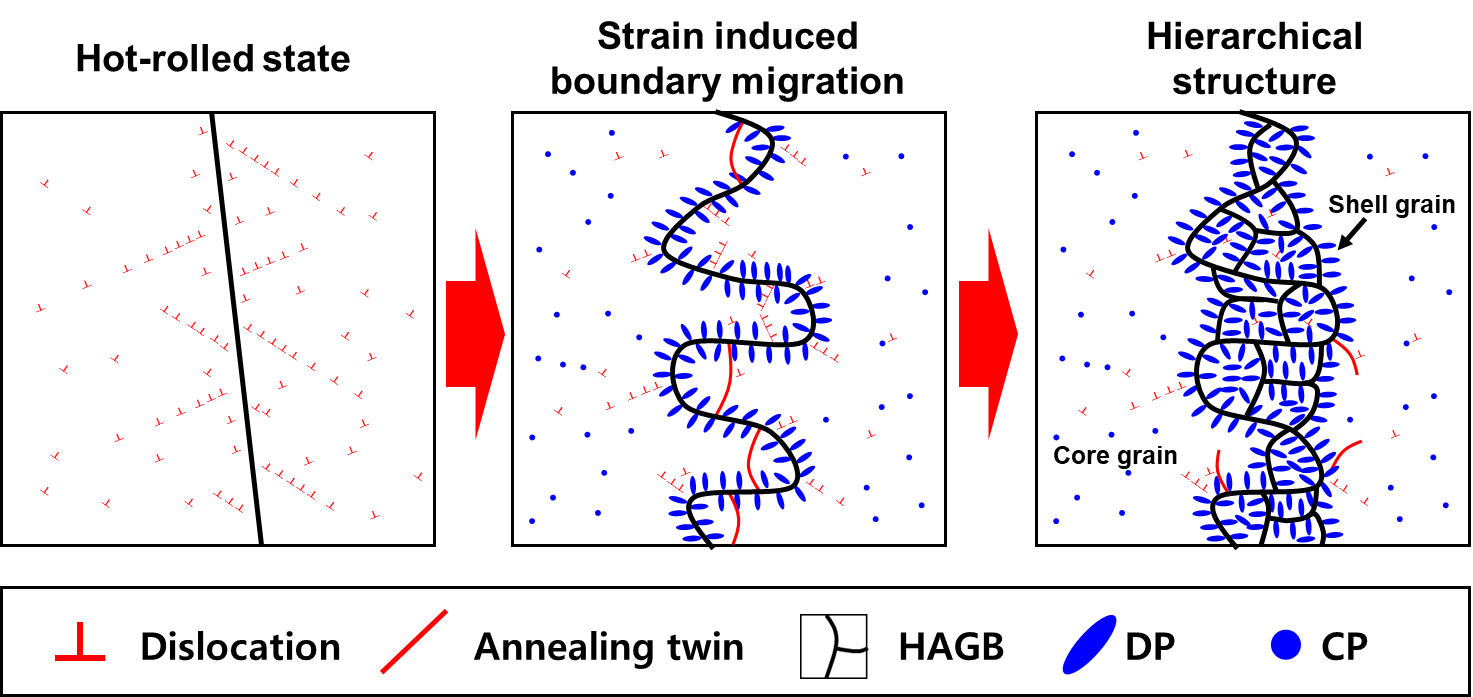
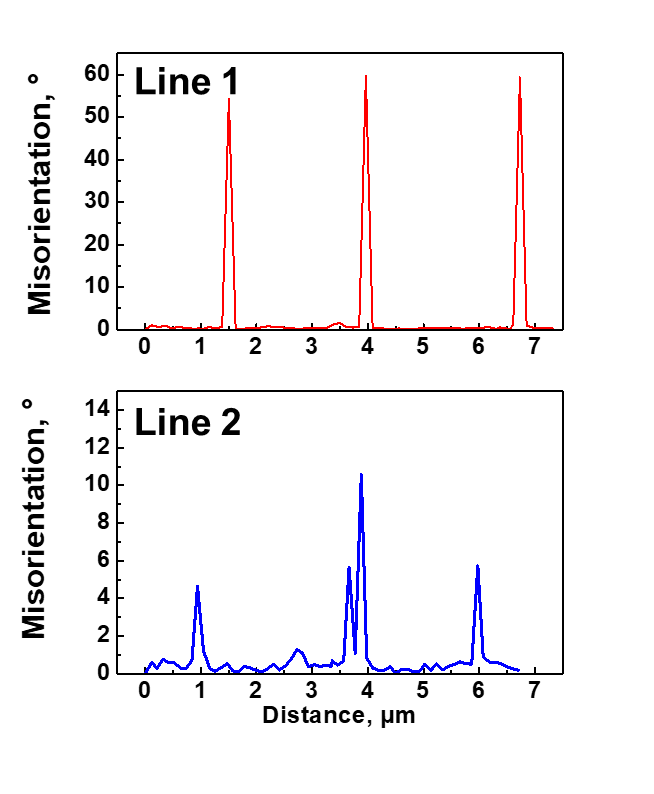
Unlike cold rolling, dislocations accumulate primarily at interfaces (unsaturated states), creating a significant gap in recrystallization driving force between the grain boundaries and the interiors.
The excessive free energy at grain boundaries triggers boundaries to bulge and serrate (Strain induced boundary migration). During this process, L12-phase precipitates form preferentially at these boundaries. These newly bulged regions contain annealing twins boundaries through growth accidents.
LAGB and twin boundaires turned into HAGB. (shell grains). The newly created grain boundaries interact with DP formation, resulting in the emergence of a hierarchical harmonic structure
Step 1.
Step 2.
Step 3.
Step 3.
1 장
기계적 물성
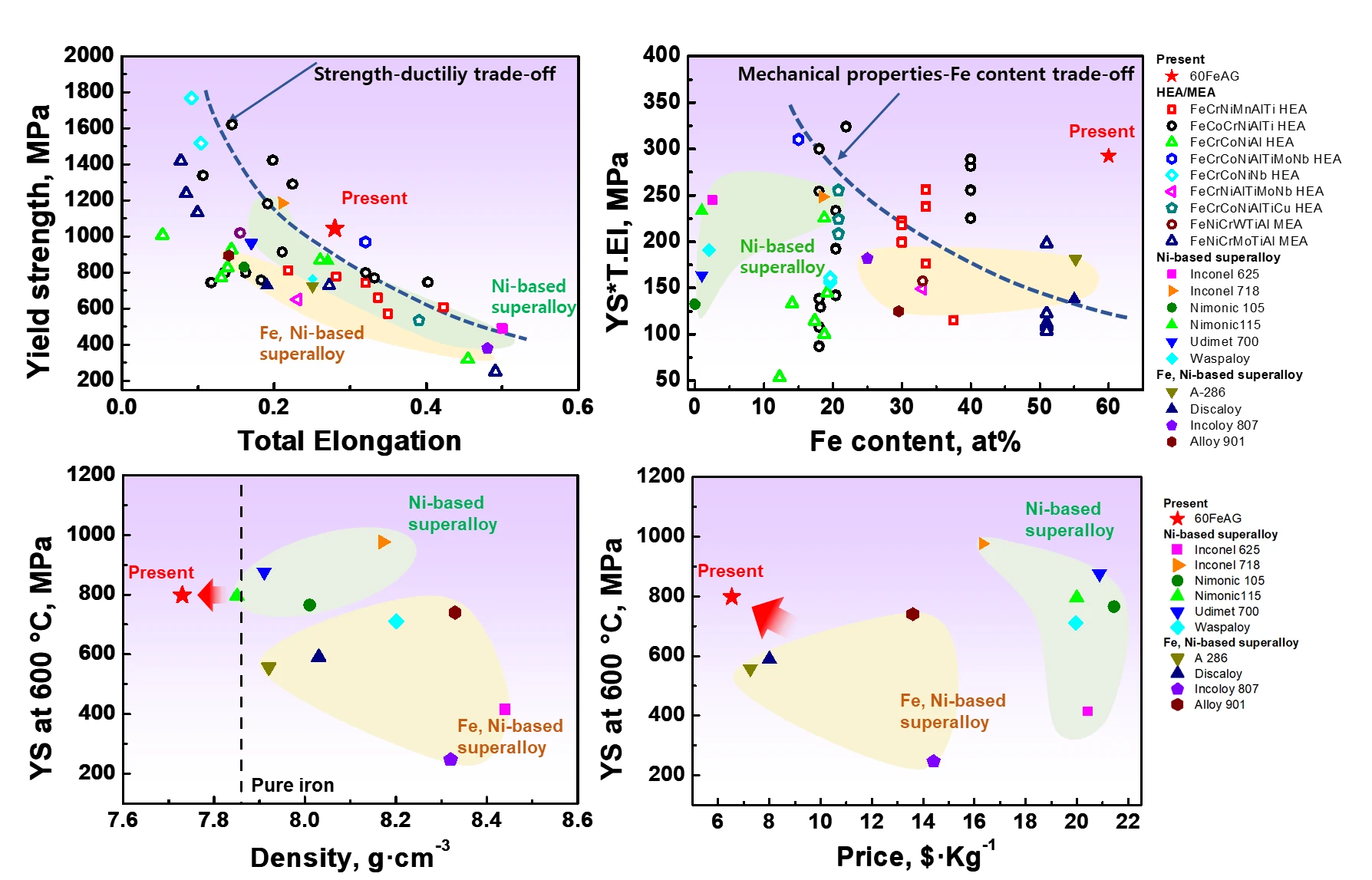
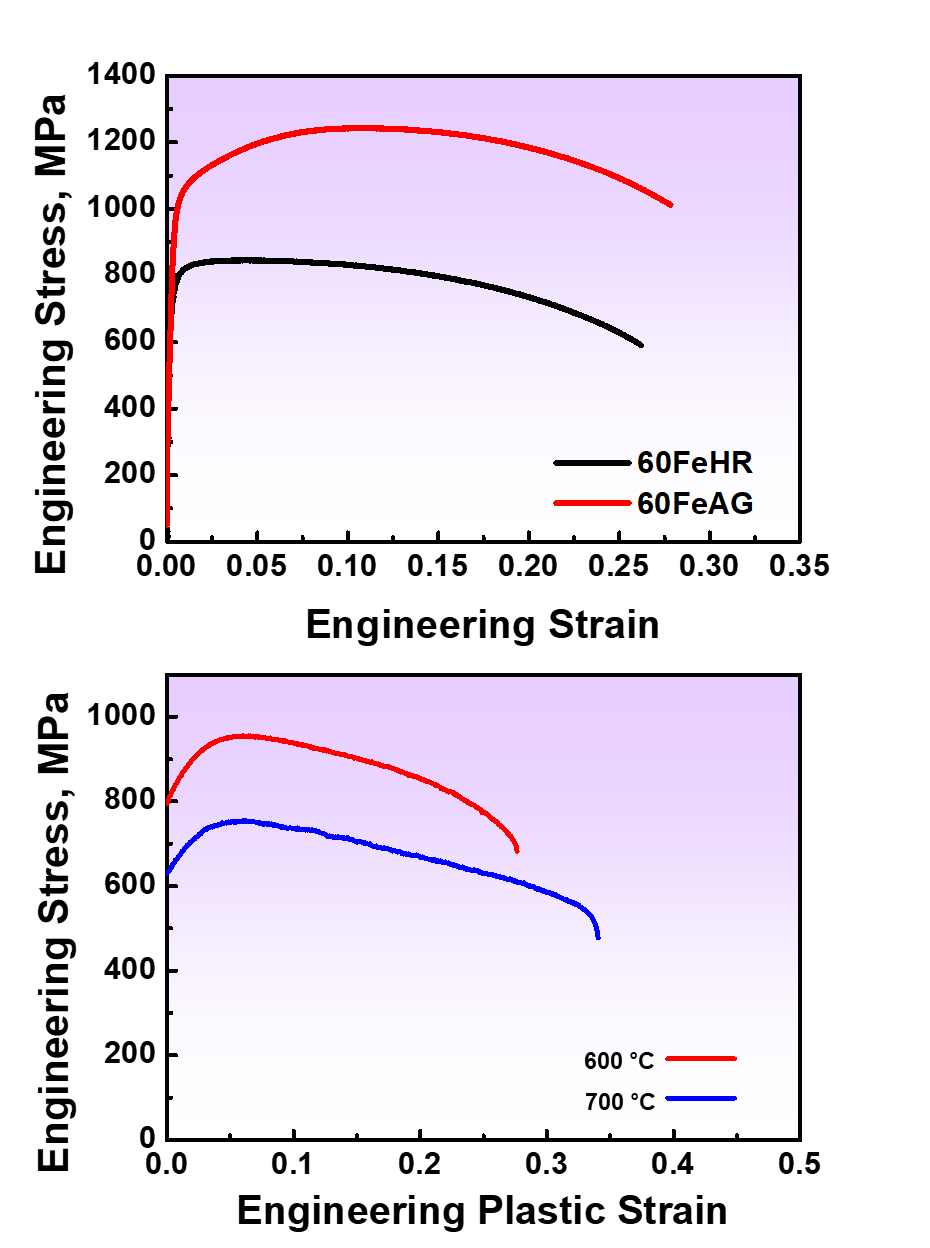
|
Sample |
Mechanical Properties |
Materials Properties |
|||||
|
YS |
UTS |
U. El |
T. El |
YS at 600 C |
Desity |
Cost |
|
|
60FeHR |
1020 MPa |
1242 MPa |
10.9% |
27.8% |
- |
7.73 g/cm3 |
6.5 $/Kg |
|
60FeAG |
745 MPa |
845 MPa |
4.3% |
26.2% |
798 MPa |
||
*YS: Yields trength, UTS: Ultimate tensile strength, U. El: Uniform Elongation, T. El: Total Elongation
RT
High T
1 장
HDI hardening 원리
RE Kim et al, Acta Mater. 281 (2024) 120397
60FeAG shows the significant HDI hardening
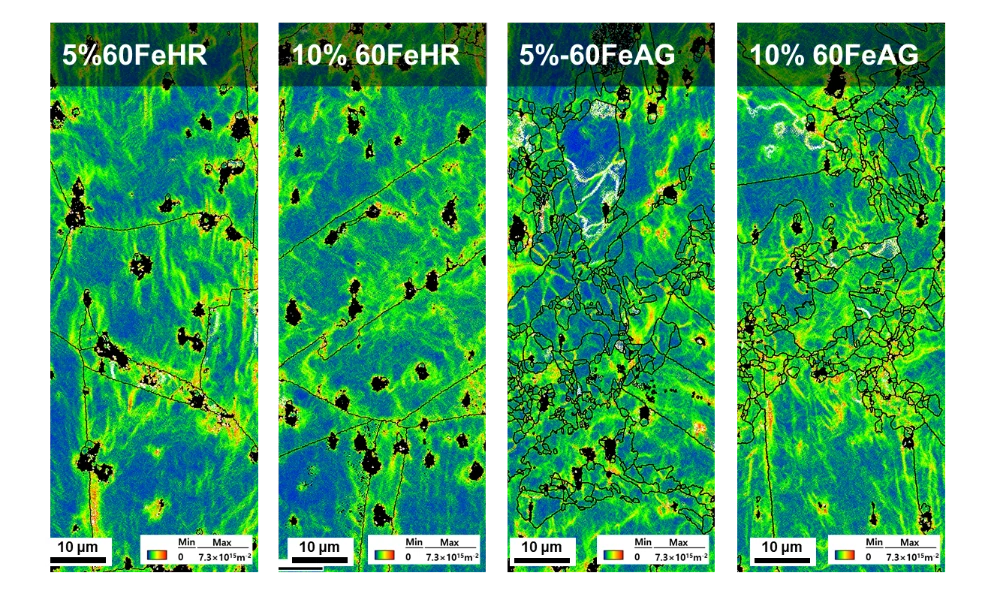

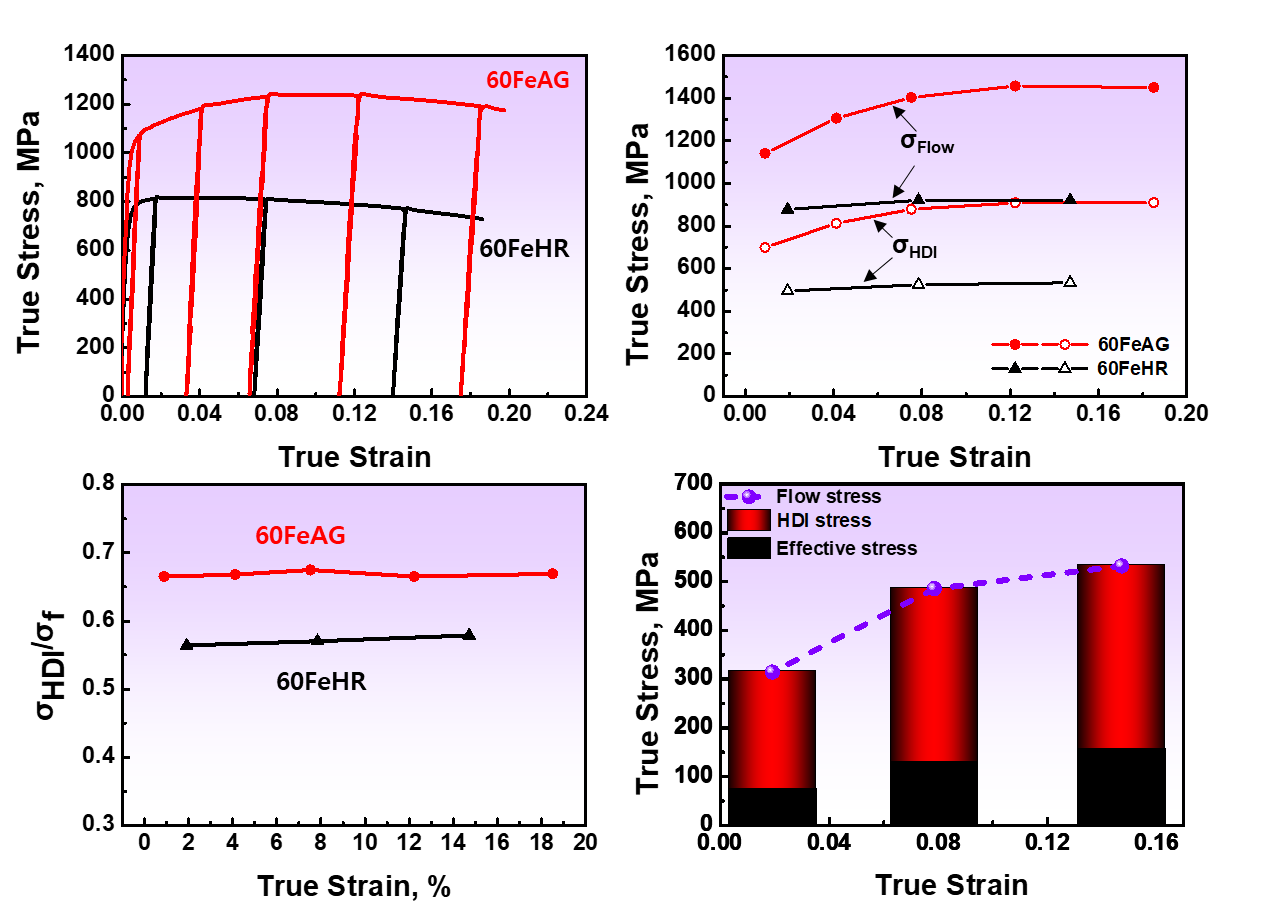
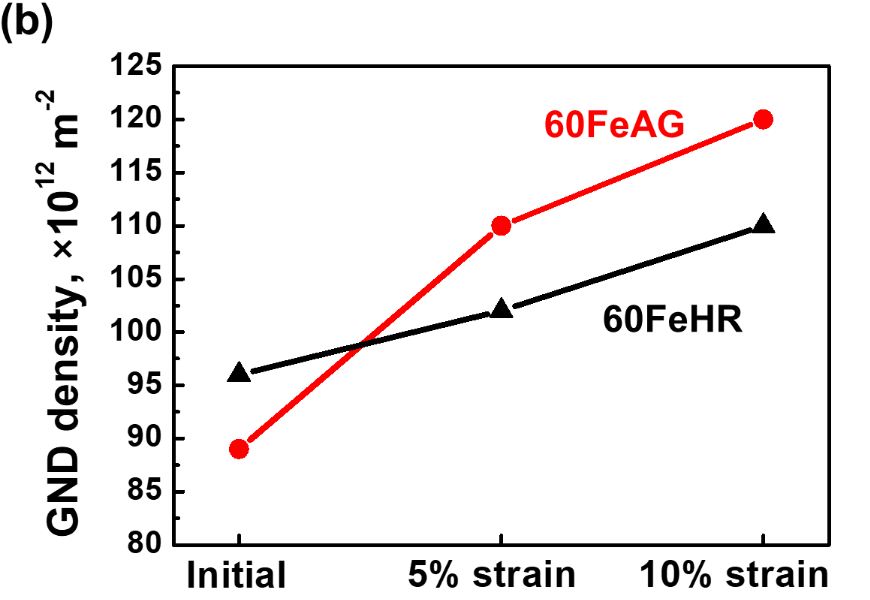
■ *HDI hardening analysis
*Hetero-deformation induced (HDI) hardening
1 장
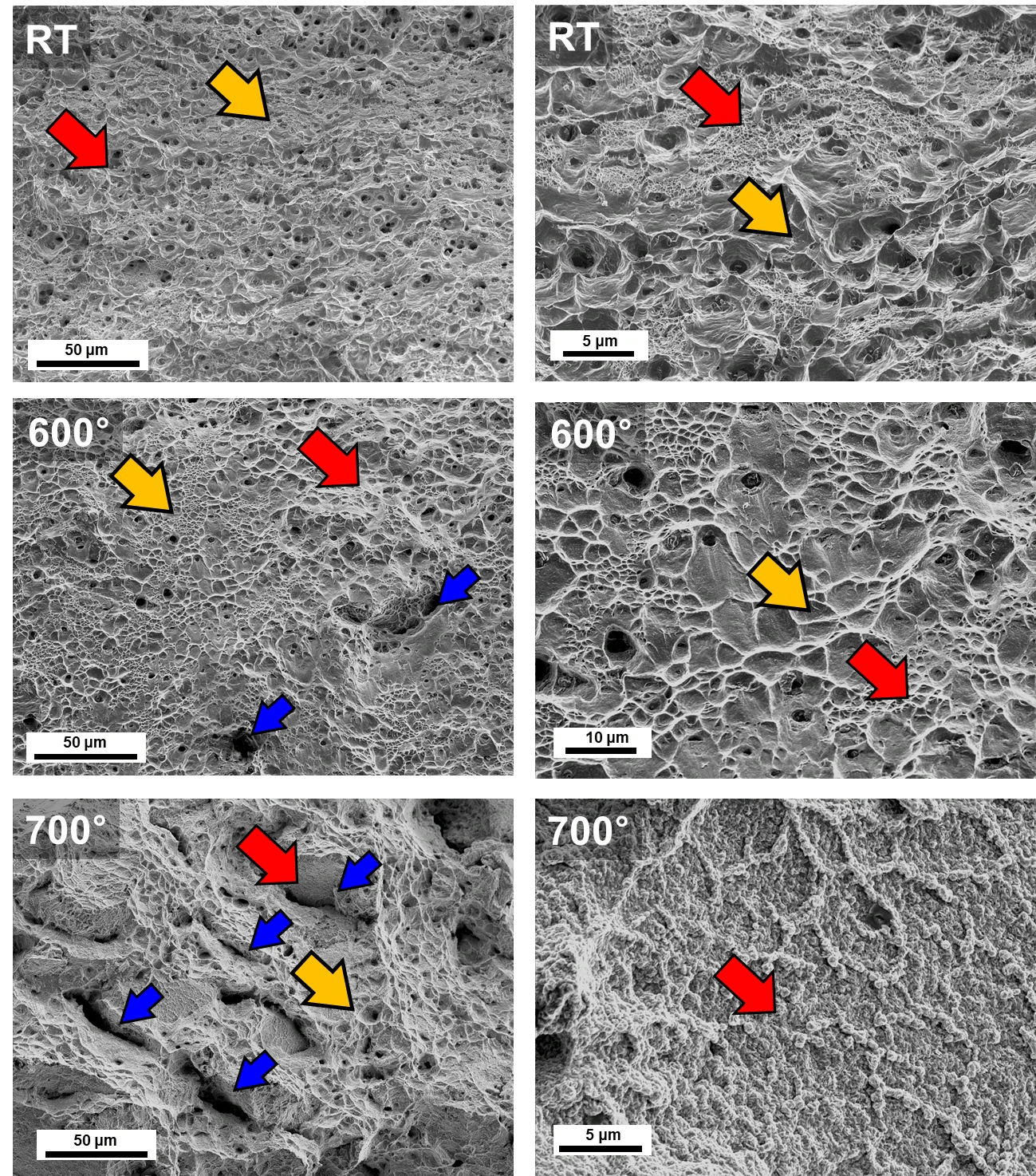
고온 변형 후 미세구조
RE Kim et al, Acta Mater. 281 (2024) 120397
Dual-graded core-shell grain structure
is maintained at high T
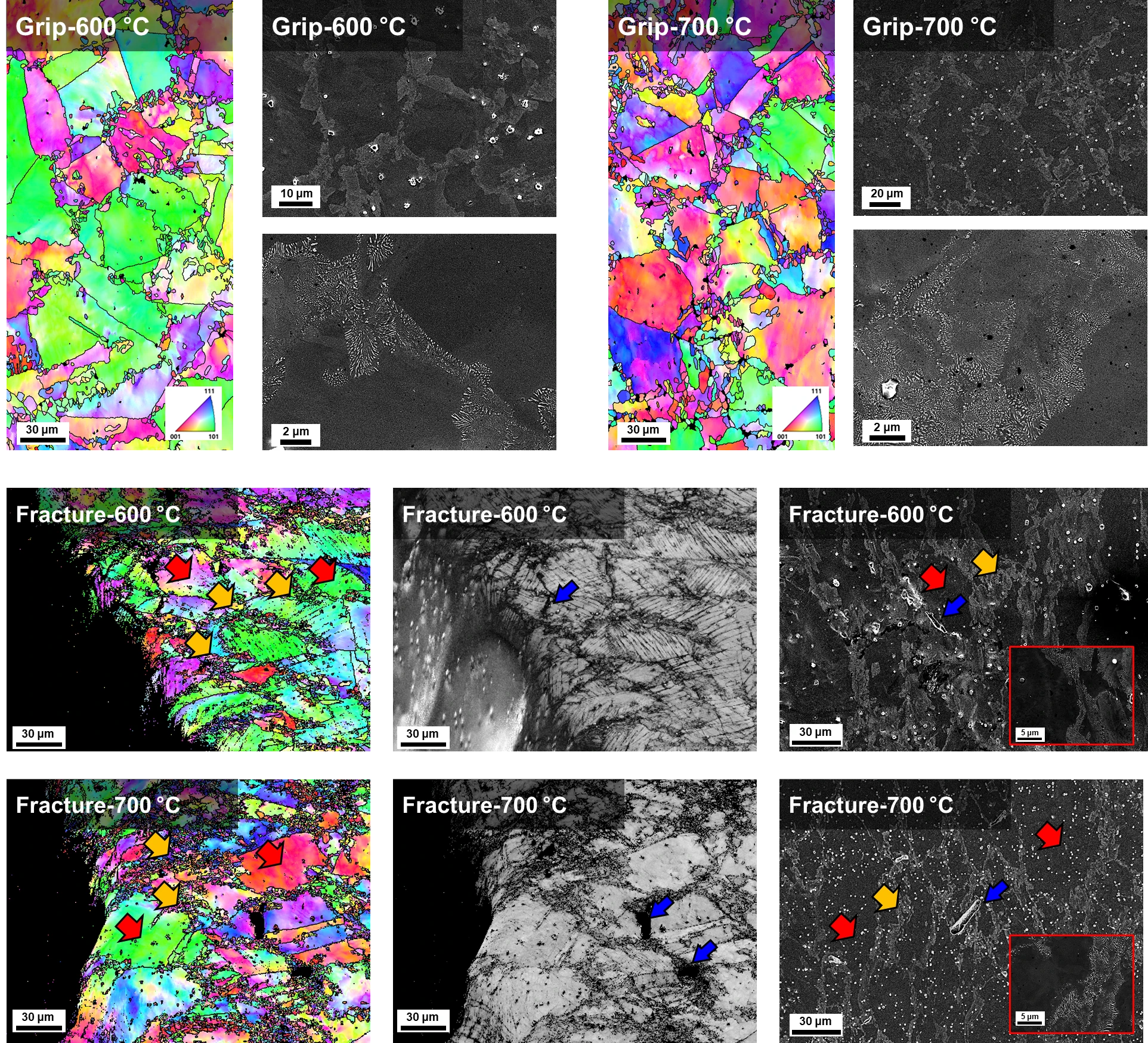
<Side view>
<Fractography>
1 장
연구 요약
The alloy demonstrates excellent mechanical performance across a wide range of temperatures while simultaneously offering low density and cost-effectiveness

Conventional superalloys contained generally more than >50 Ni at%, leading to high cost and density. The high Fe in L12-precipitated alloy generally reduces the precipitation fraction, potentially leading to decreased mechanical properties.
Limitation of the conventional superalloys
The hierarchical structure was designed by hot rolling and direct aging treatment without an additional process in L12-precipitated ferrous MEA. The present alloy features multi-scaled heterogeneity.
Dual-graded heterostructure
Superior HDI hardening
This structure can achieve superior HDI hardening across a wide range of temperatures. Further the structure can be maintained in high temperatured deforamtion. This structure induce local TRIP behavior in cryogenic temperature.
김래언
포항공과대학교 박사과정
감사합니다 !
박사학위논문 심사
지도교수: 김형섭 교수님
2026.04.21
1 장
Appendix
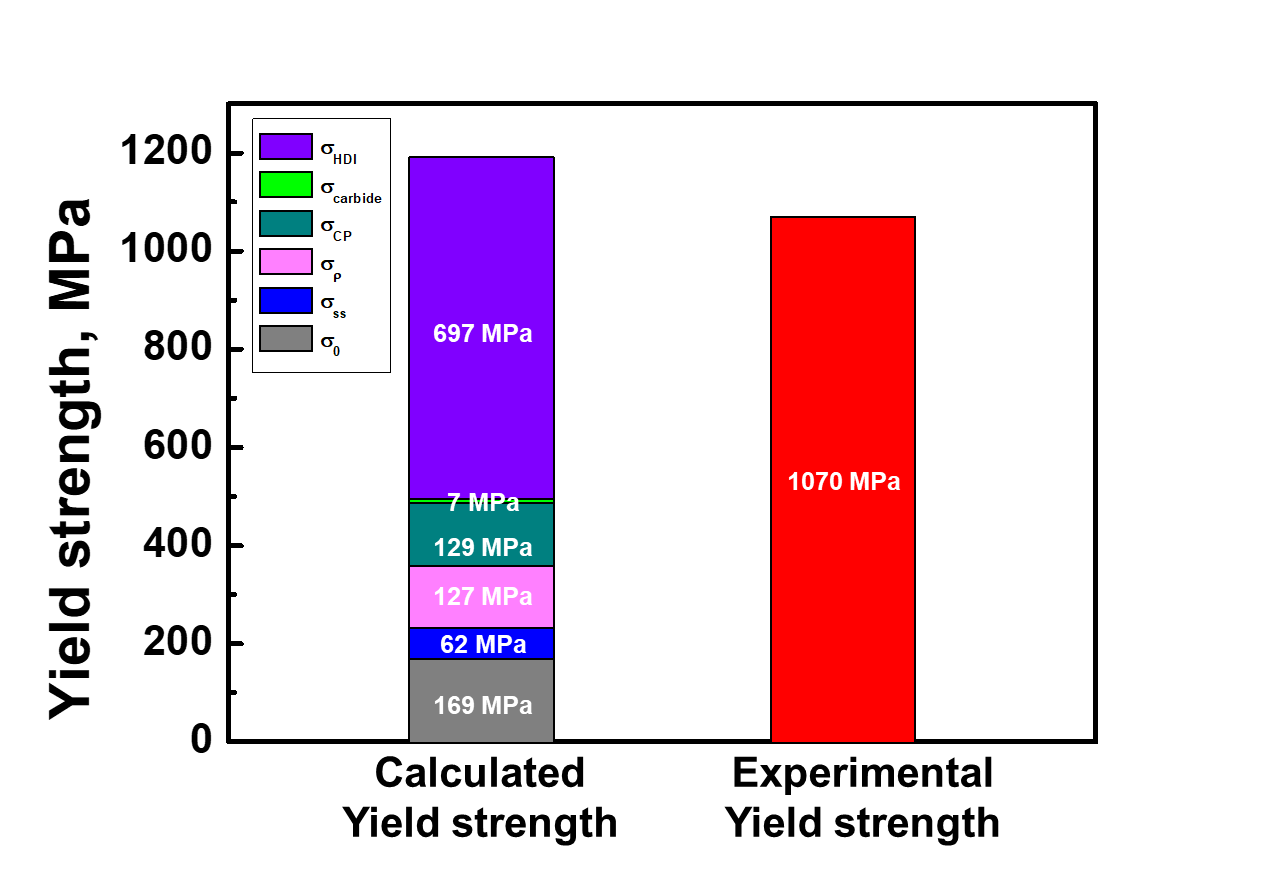
Figure. Calculated and experimental yield strengths of the 60FeAG sample.
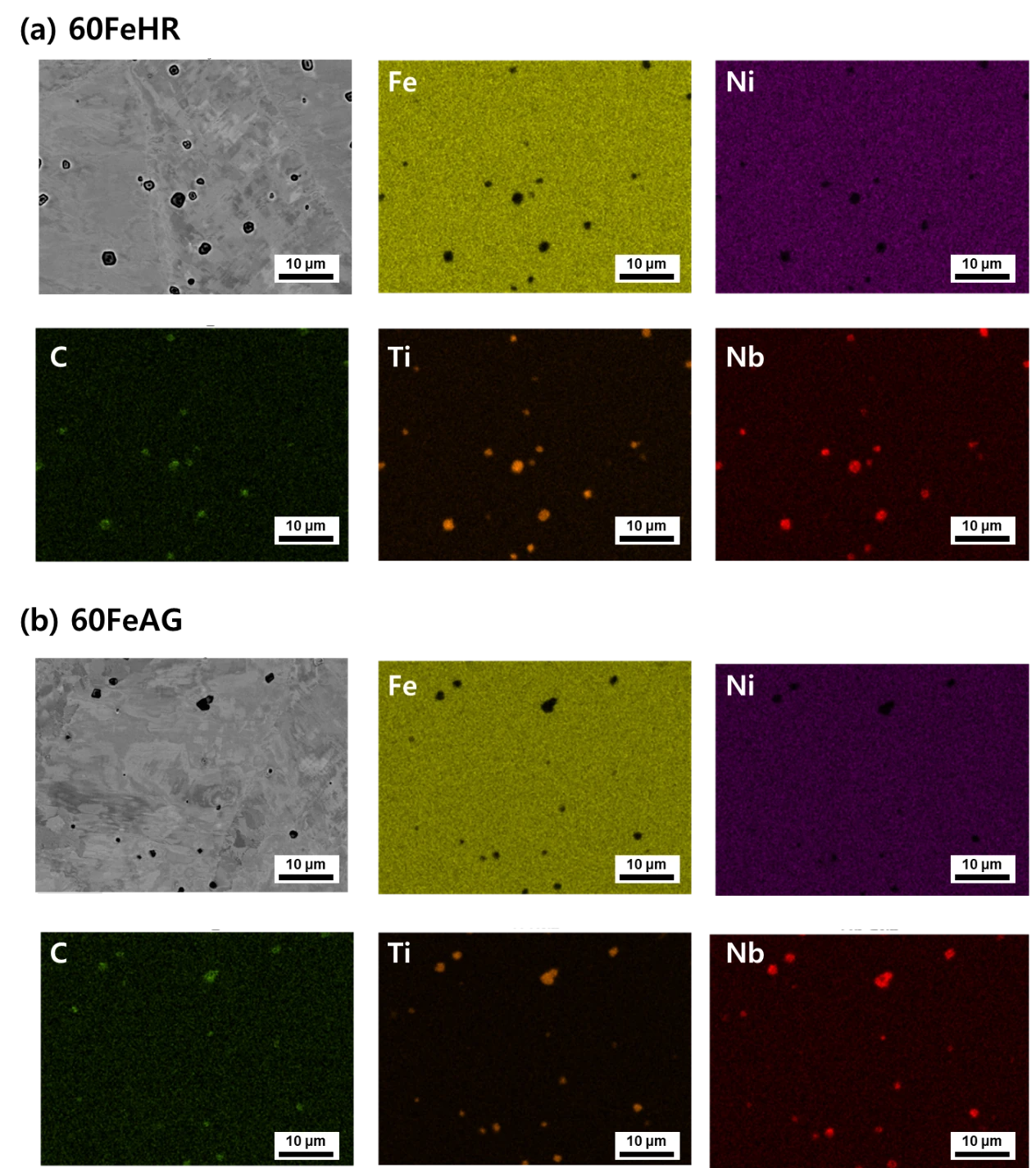
Figure. Composition maps of (a) the 60FeHR and (b) 60FeAG samples.
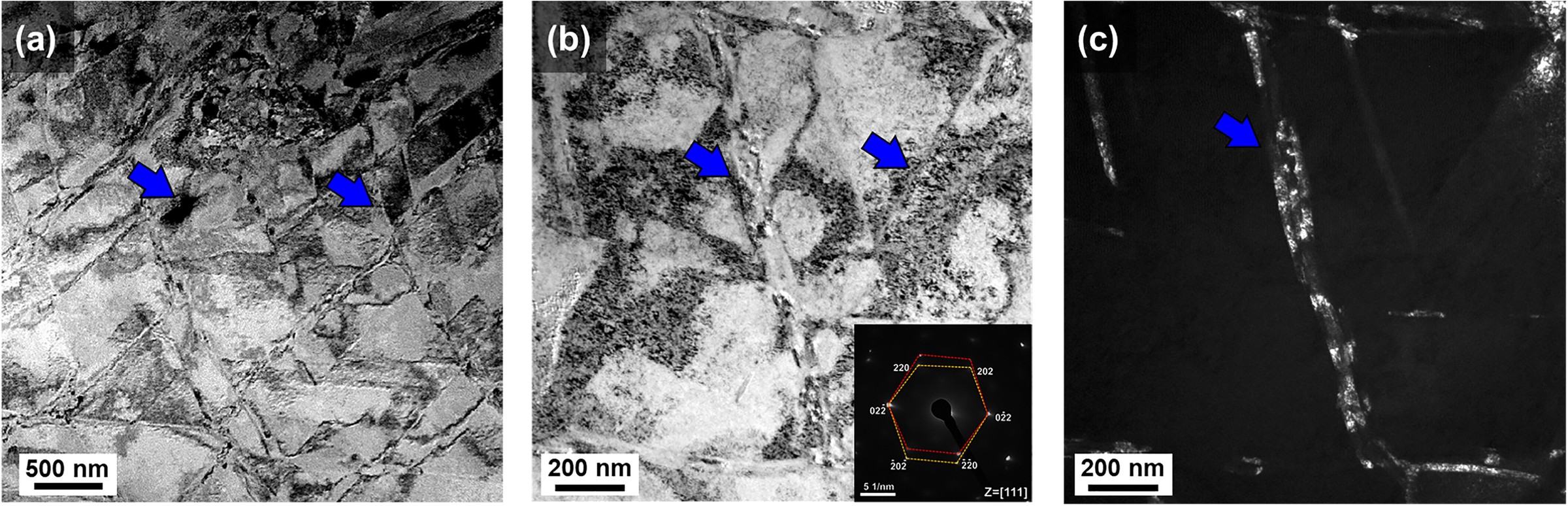
Figure. (a) STEM image, (b) bright-field TEM image and SAED pattern, and (c) dark-field TEM image of the 60FeAG samples deformed to a true strain of ∼10%.
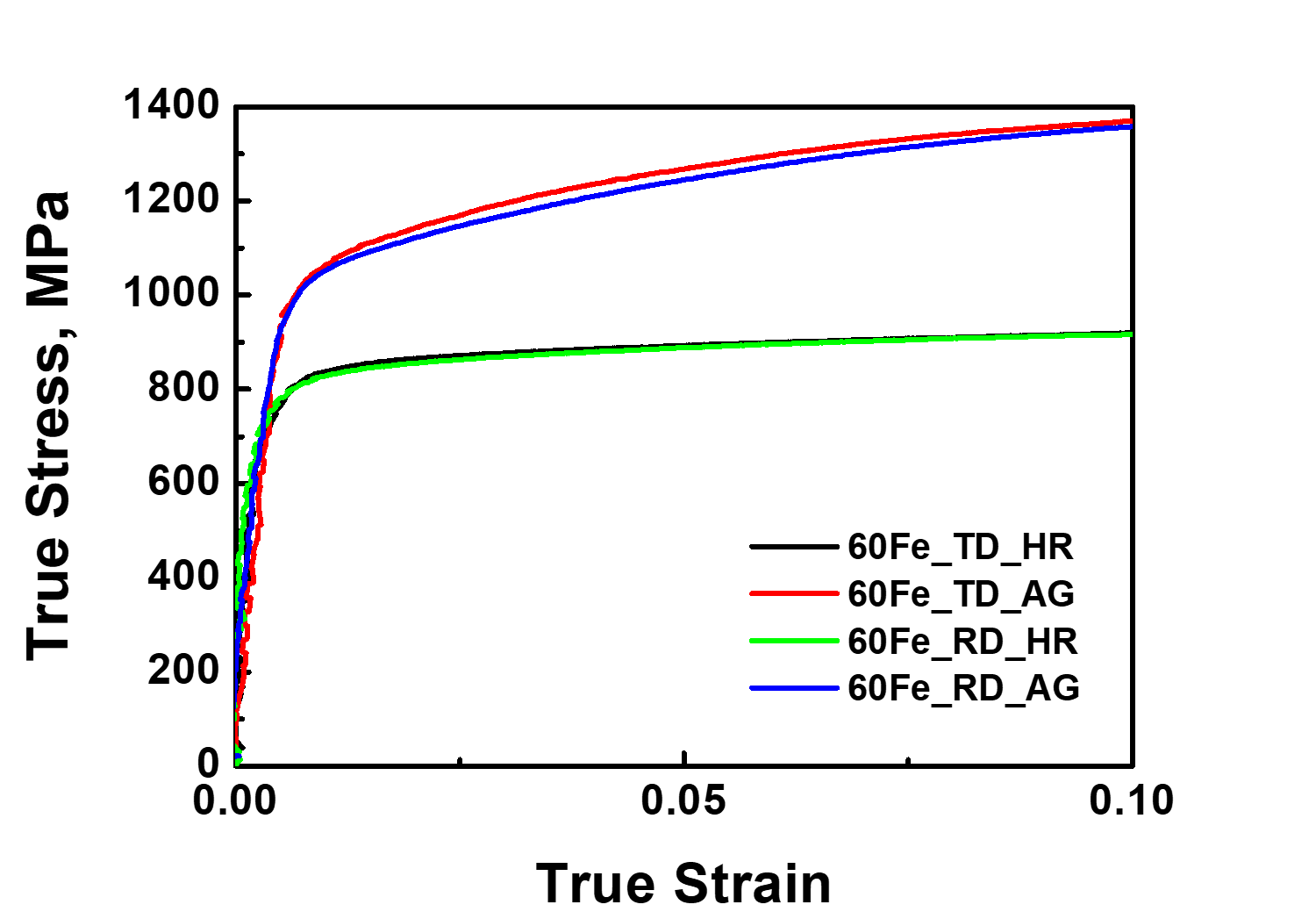
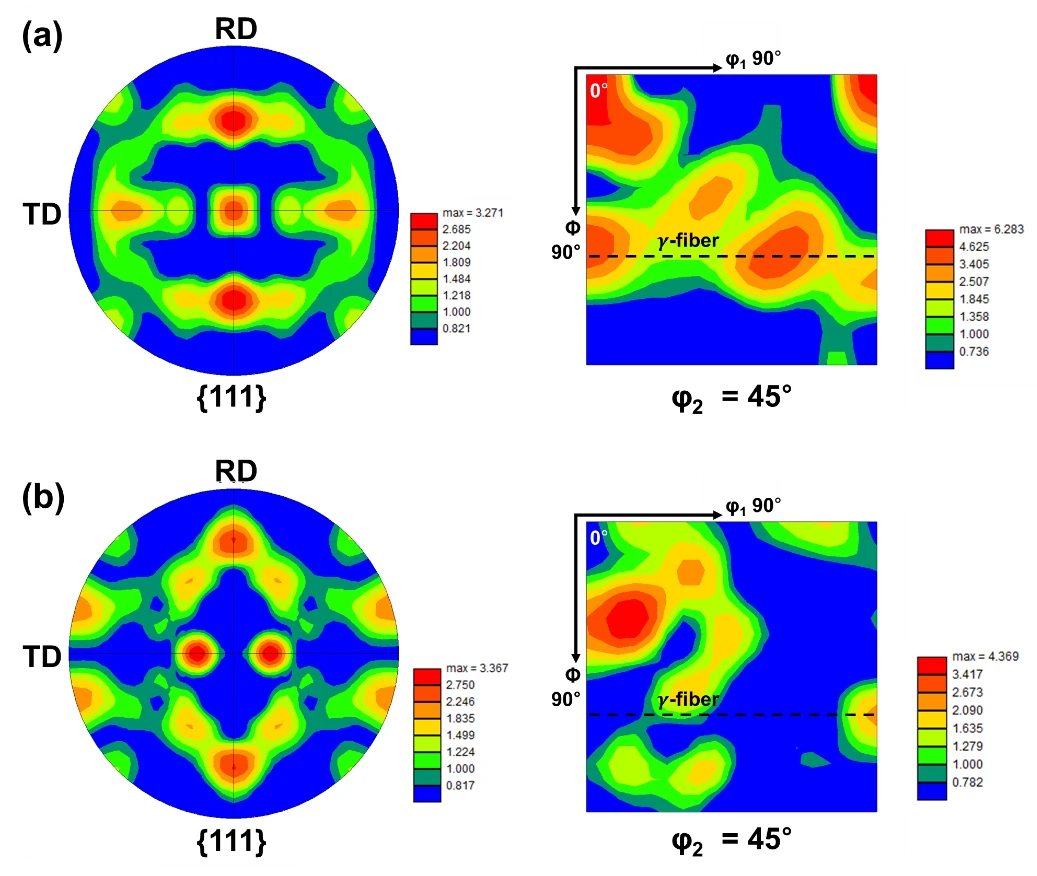
Figure. Pole figure and ODF maps of (a) 60FeHR and (b) 60FeAG samples.
Figure. True stress-strain curves along the rolling direction (RD) and transverse direction (TD).
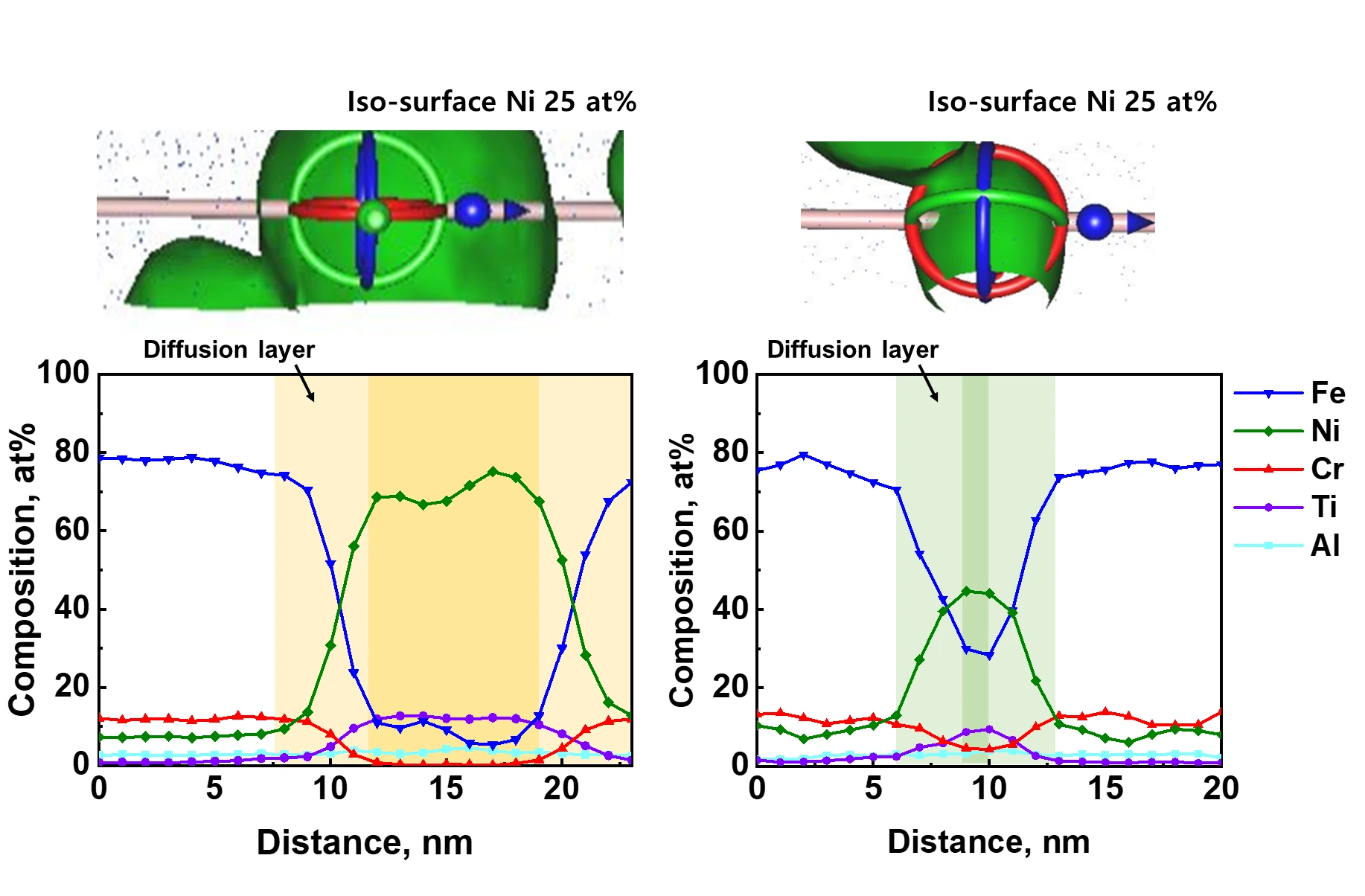
Figure. One-dimensional concentration profile across the two Ni-Ti-rich particles. The iso-surface of Ni is 25 at%.
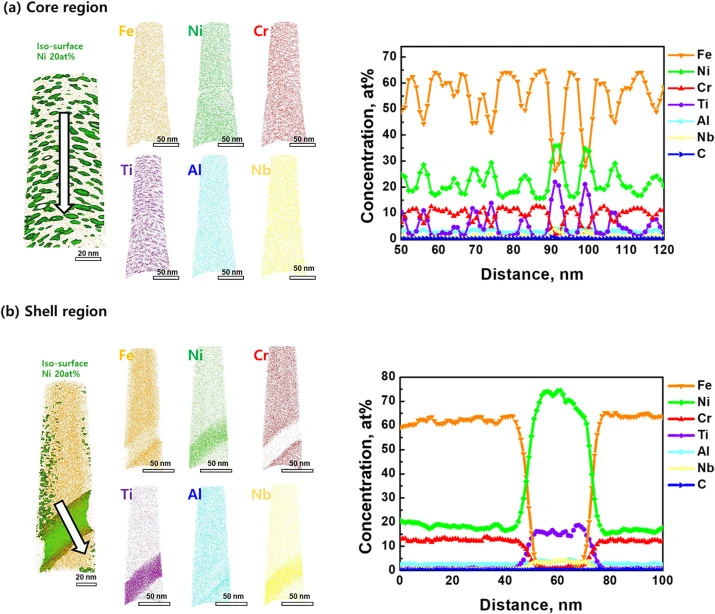
Figure. 3D reconstruction map and line profile of APT for (a) core region and (b) shell region in 60FeAG. The line profile is presented along the white line in the 3D APT maps.
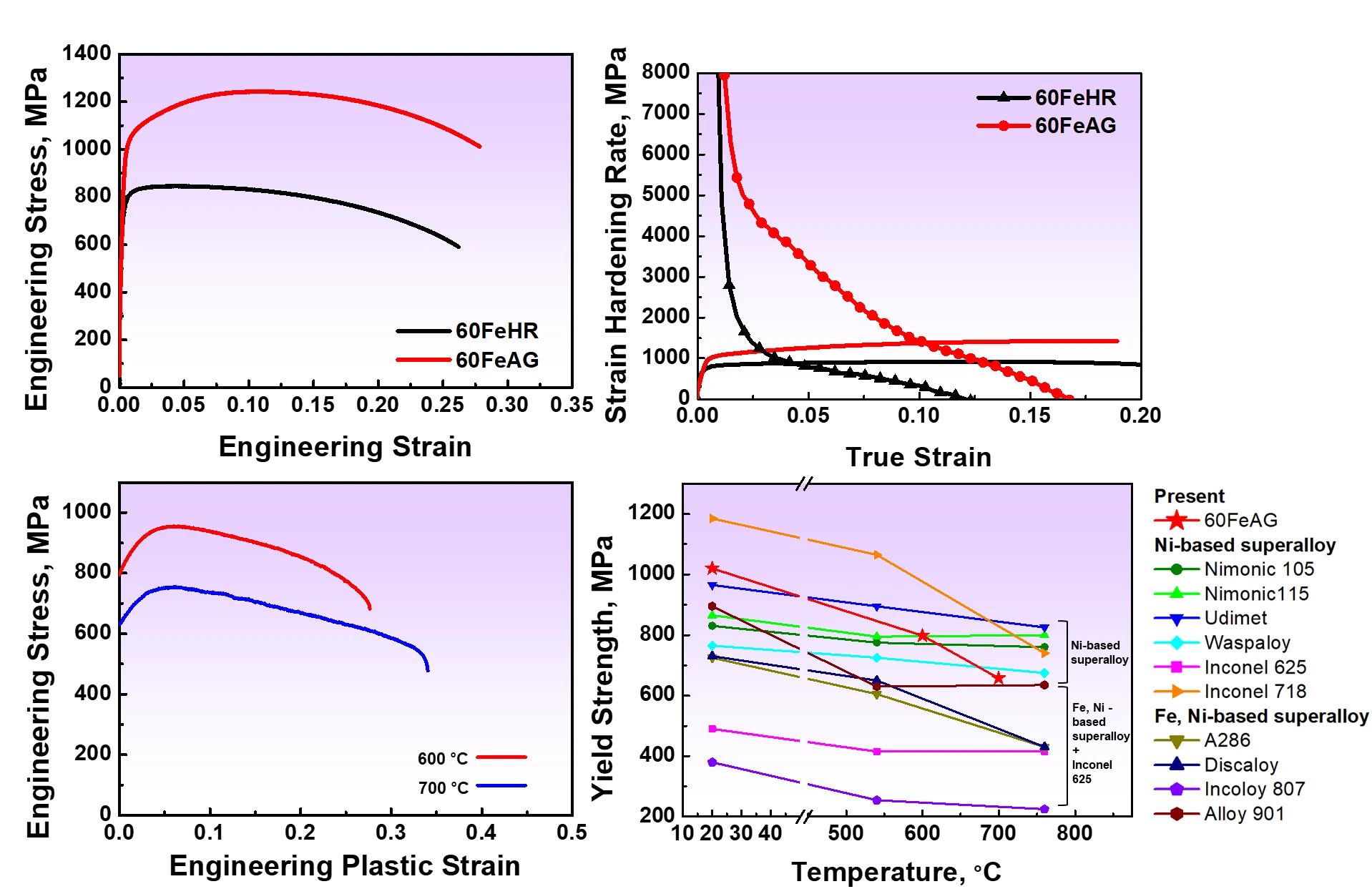
Figure. (a) Engineering stress-strain curves and (b) strain hardening rate curves of the present samples. (c) Engineering tensile stress-strain curves of 60FeAG at elevated temperatures of 600°C and 700°C. (d) Comparison of the tensile strengths as a function of performed temperature with those of conventional superalloys.