
iHSM3
Superior tensile properties
and formability synergy through
inverse-gradient structure
Rae Eon Kim
POSTECH
Advisior: Prof. Hyoung Seop Kim
26. 07. 21

Profile
Rae Eon Kim
POSTECH, Mechancial engineering, B.S.
POSTECH, Ferrous Technology, M.S.
POSTECH, Ph.D Candidate
~2021
~2023
now
Heterogeneous materials
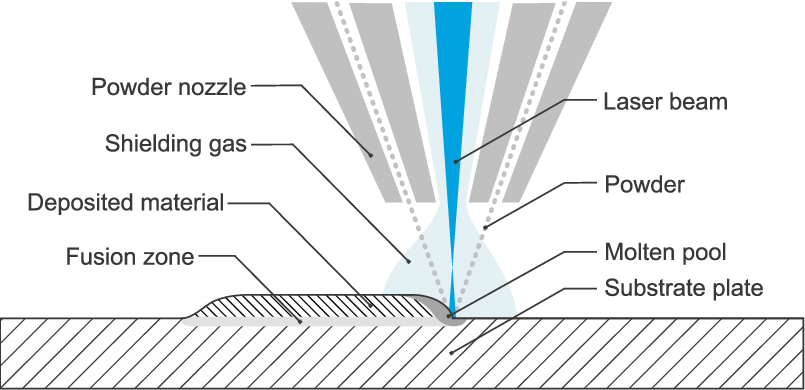
Additive manufacturing
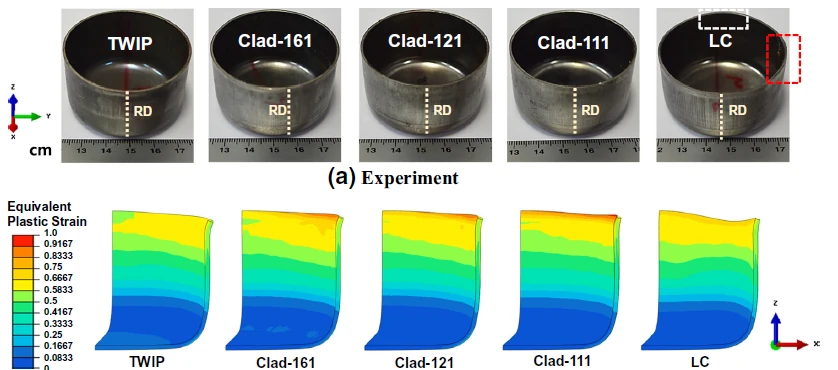
Formability
Functionality

Selected Honors:
•Woonik Next-generation Engineer Grand Praze (2026)
•Acta Student Award (2024)
•Talent Award of Korea (2024)

Research Background
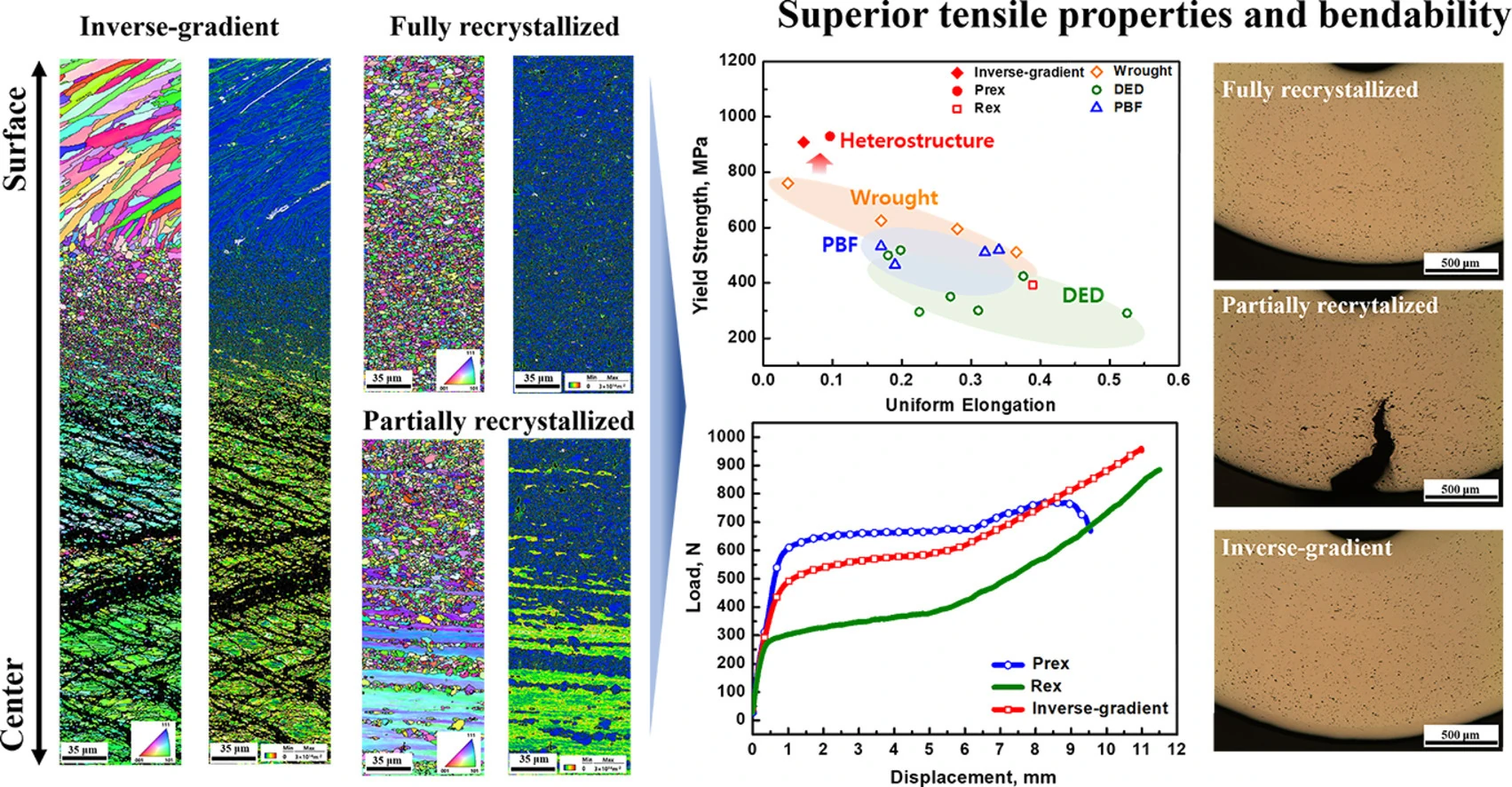
Inverse-gradient
1
2
3
Local austenitization ~180° Bending
Conclusion
4
Content
Superior tensile properties and formability synergy of heterostructuring

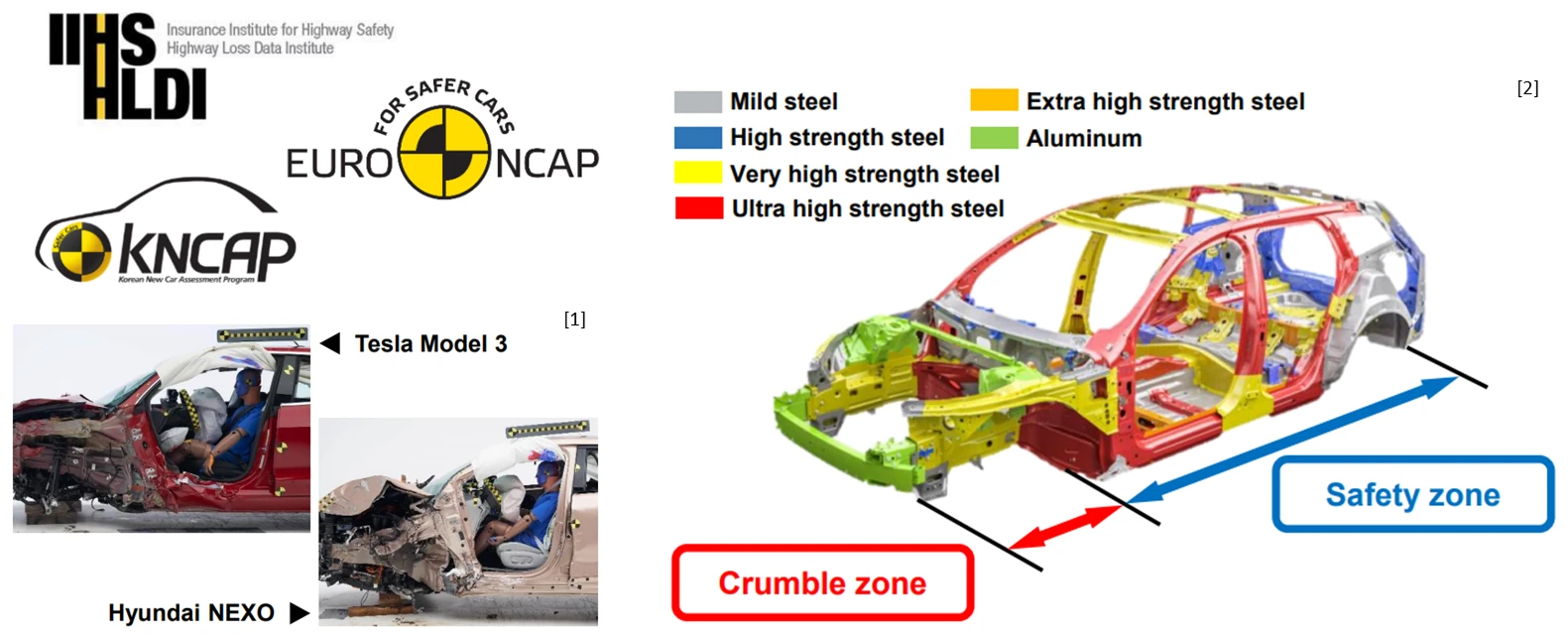
[1] Insurance Institute for Highway Safety.
[2] Volvo V60 body in white.
■ Mechanical properties of metal materials required for industrial use

Formability
Tensile
Properties
Research Background

■ Trade-off relationship between formability and tensile properties
Research Background
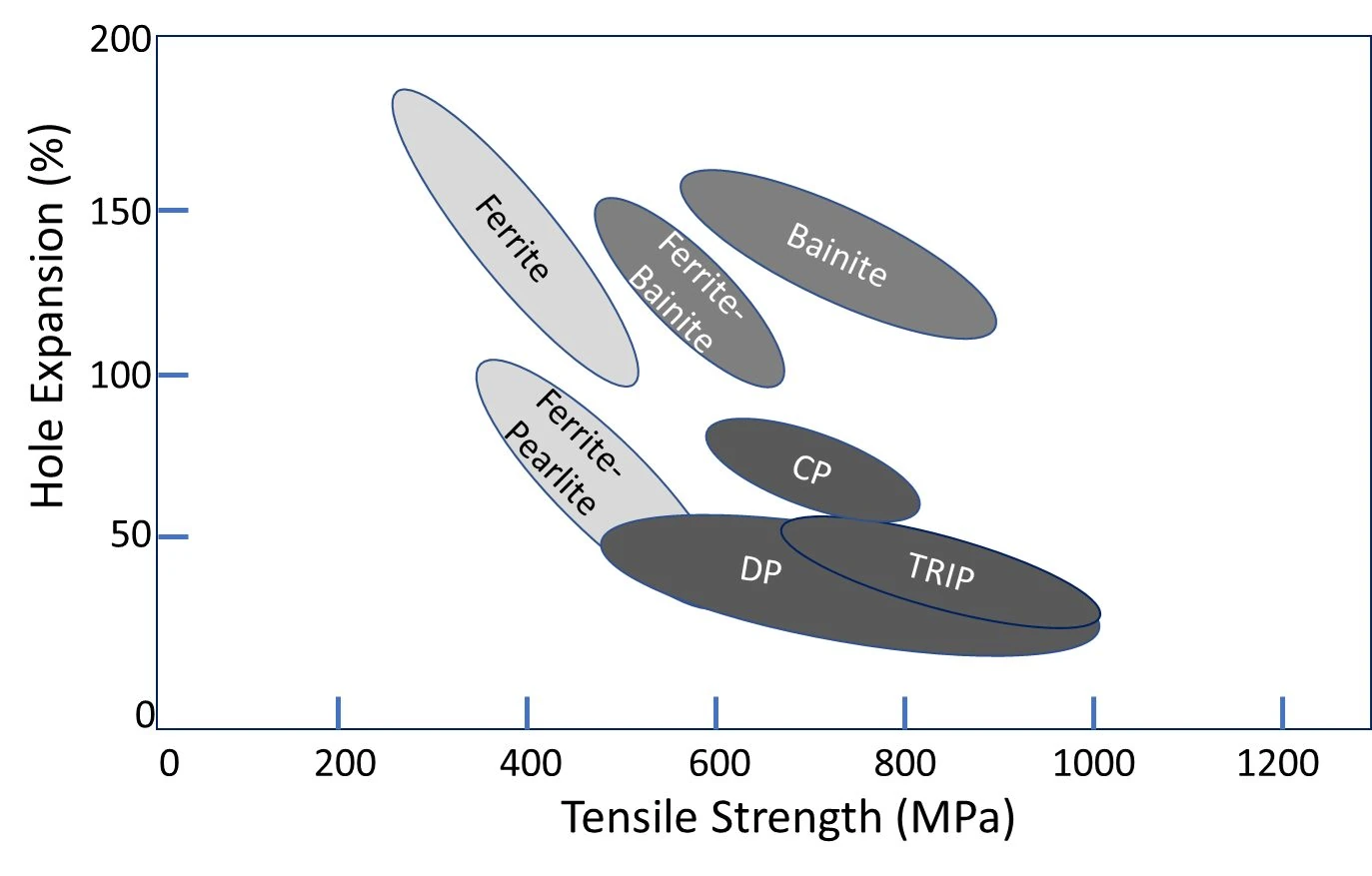
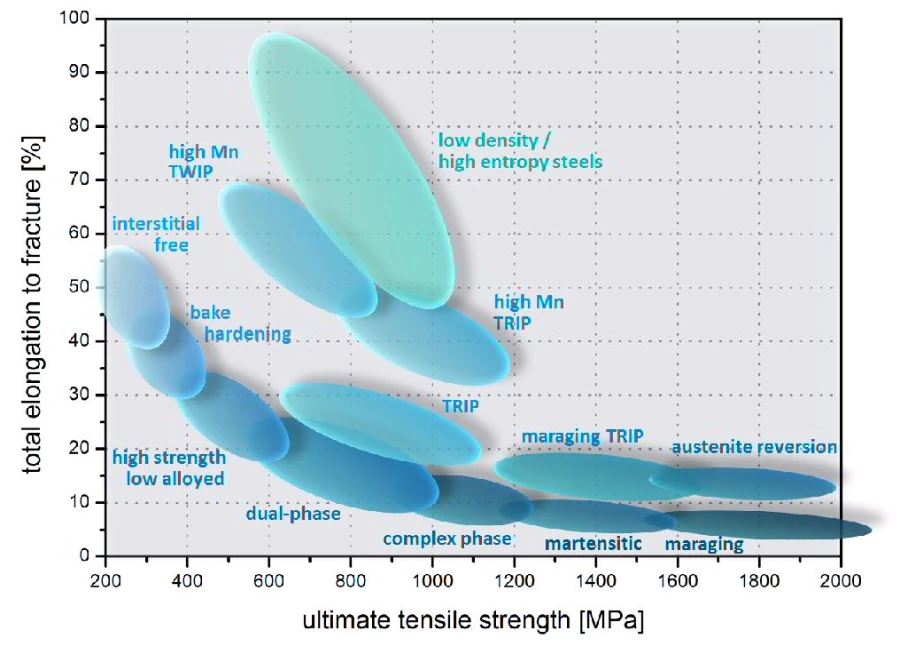

[1] Y.T Choi et al, Mater. Sci. Eng. A (2024)

Stress concentration damage evolution
at the interface
Low
formability

Research Background
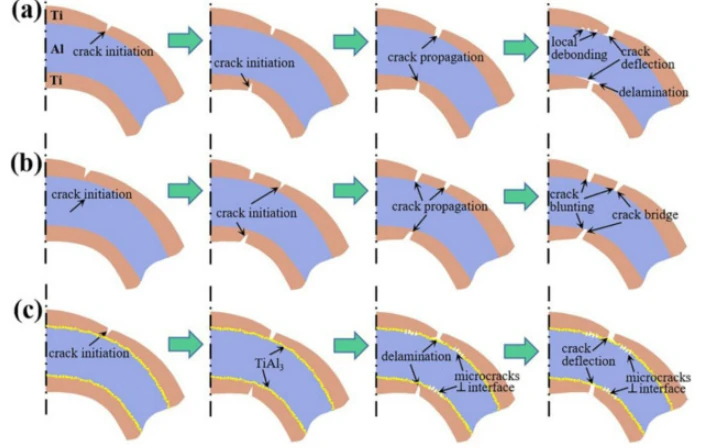
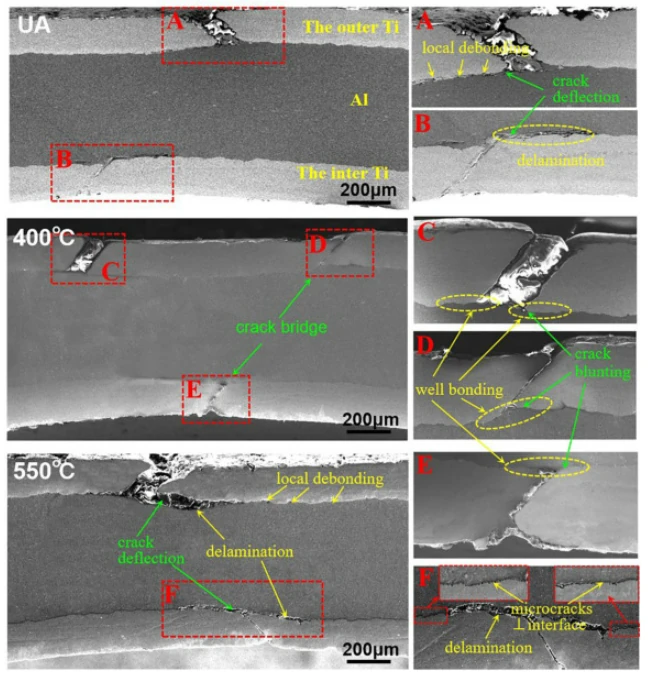
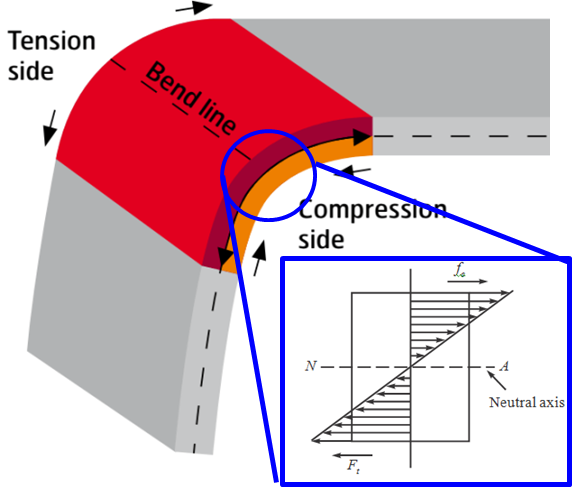

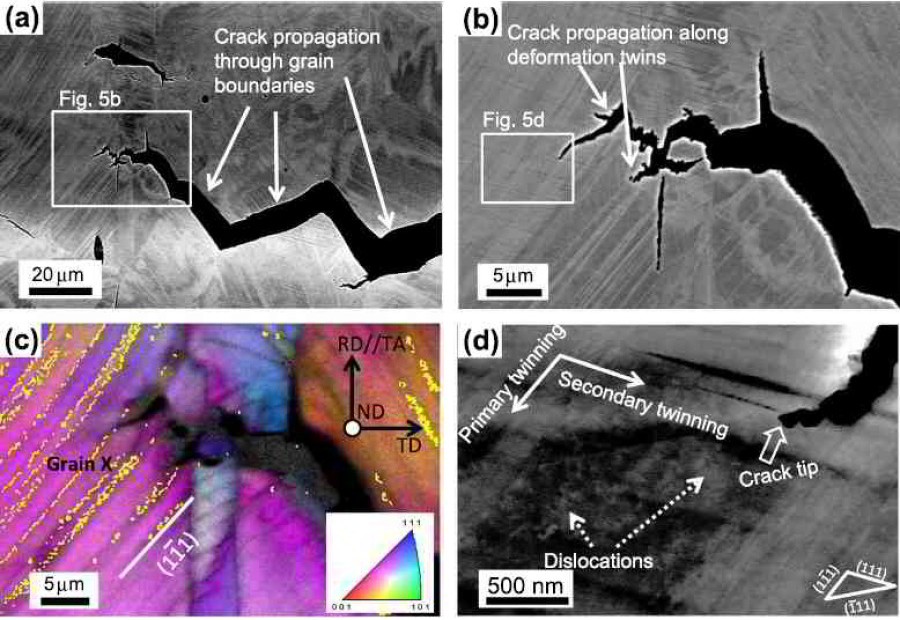
The deformation is not uniform, and cracks generally occur on the surface
Local formability of the surface; Inverse-gradient structuring

[1] M. Cao et al, J. Mater. Res. Technol. (2024)


Inverse-gradient structure
(soft surface and hard center)
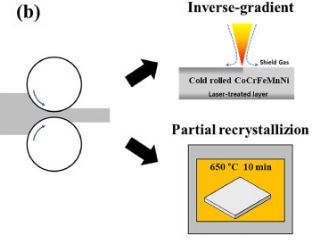
Inverse gradient
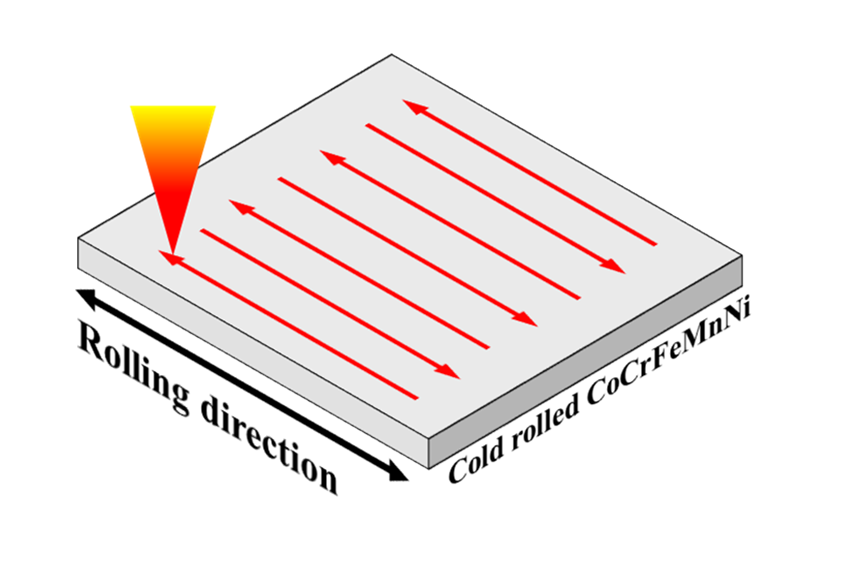
: laser treatment on as-rolled
Partial recrystallized (Prex)
: annealed at 650 °C for 10 min
As-annealed (Rex)
: annealed at 800 °C for 10 min
인장 시험과 벤딩 시험 실시 및 미세조직 관측
Base material: equiatomic CoCrFeMnNi HEA
Microstructure optimized
for plastic forming
Superior
Tensile and forming
properties

Tensile and bending tests and
Microsturctural analysis
■ Research purpose
■ Research Procedure
Research Background

Initial Microstructure
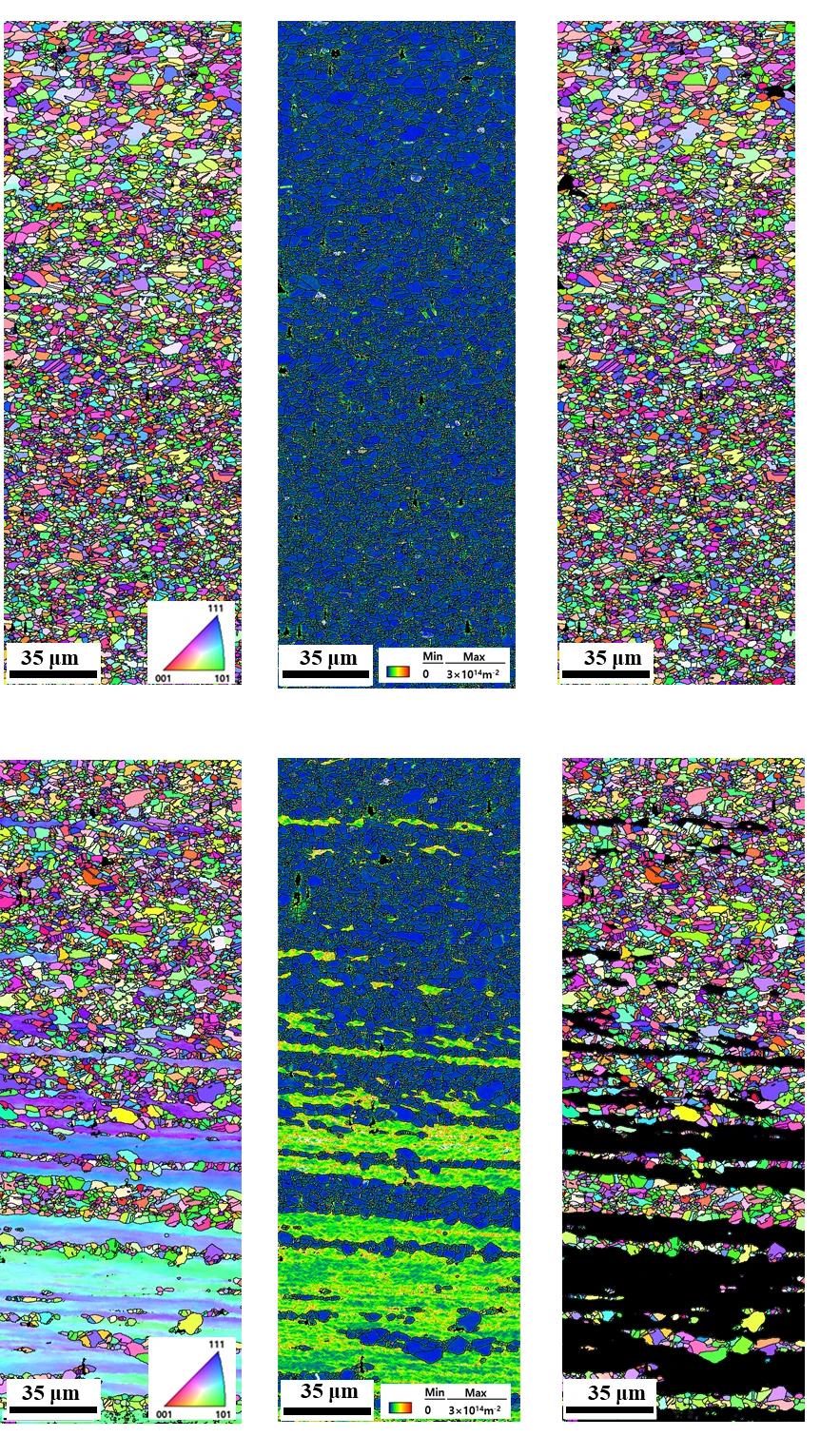
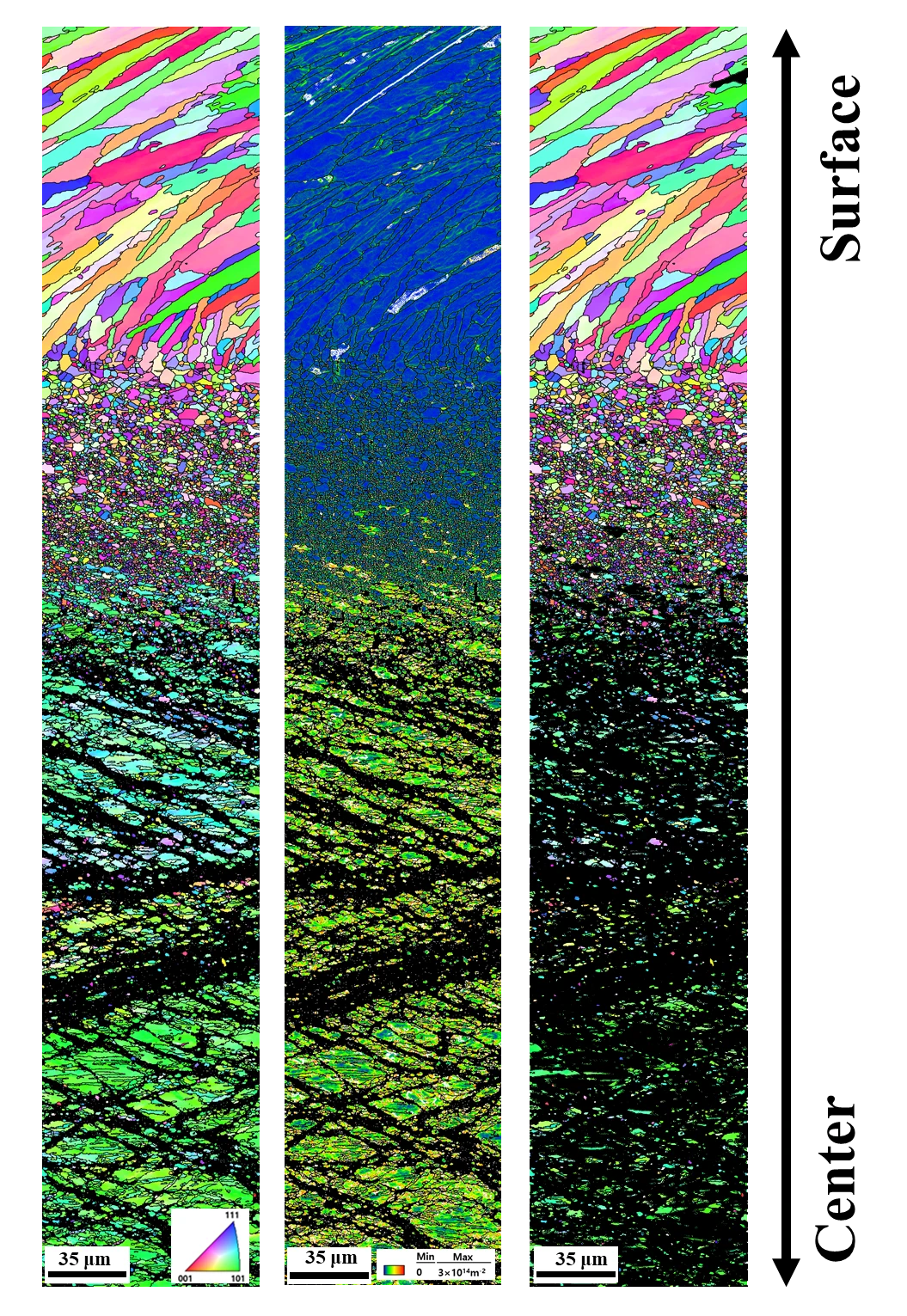
Inverse-gradient
Rex
Prex
IPF
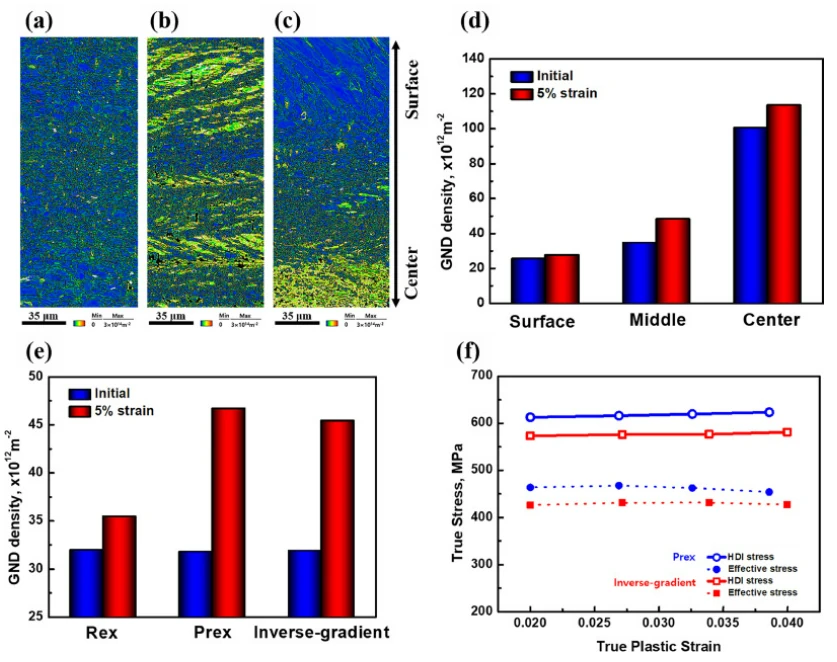
GND
GOS<3˚
IPF
GND
GOS<3˚
IPF
GND
GOS<3˚


Coarse Grain
Recystallized
As-rolled

Mechanical properties
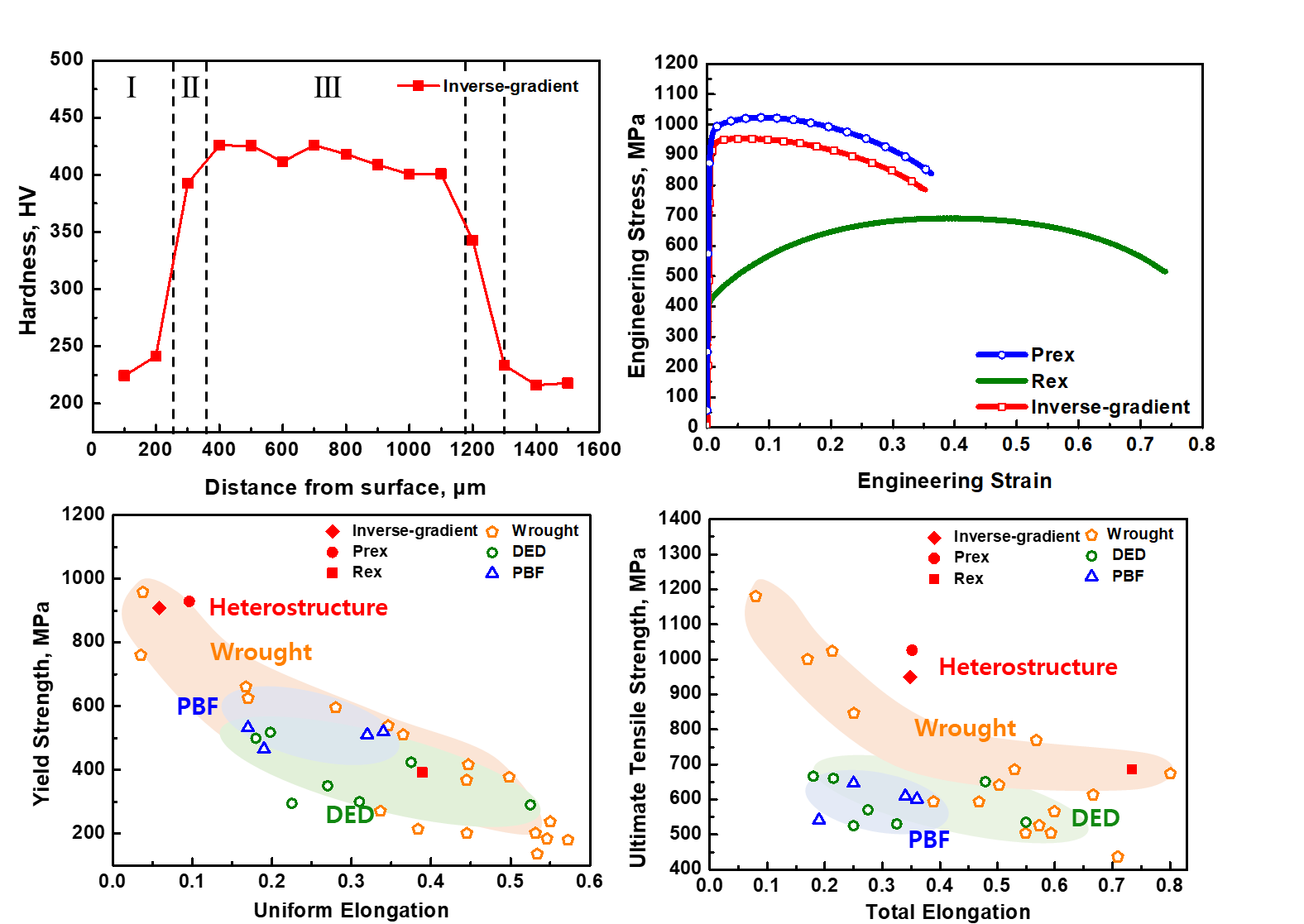
Both heterostructure samples exhibit excellent mechanical properties
■ Tensile properties

Synergistic hardening from heterostructure
Heterostructure produce HDI hardening
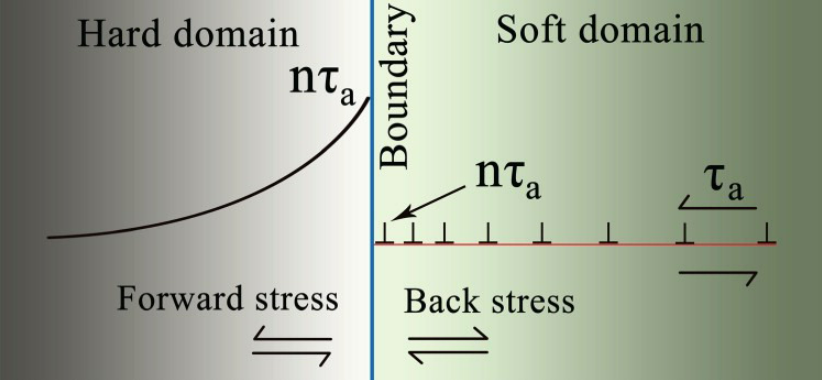
[1] Y. zhou et al, Mater. Res. Lett (2019)
■ Synergistic hardening

Mechanical properties
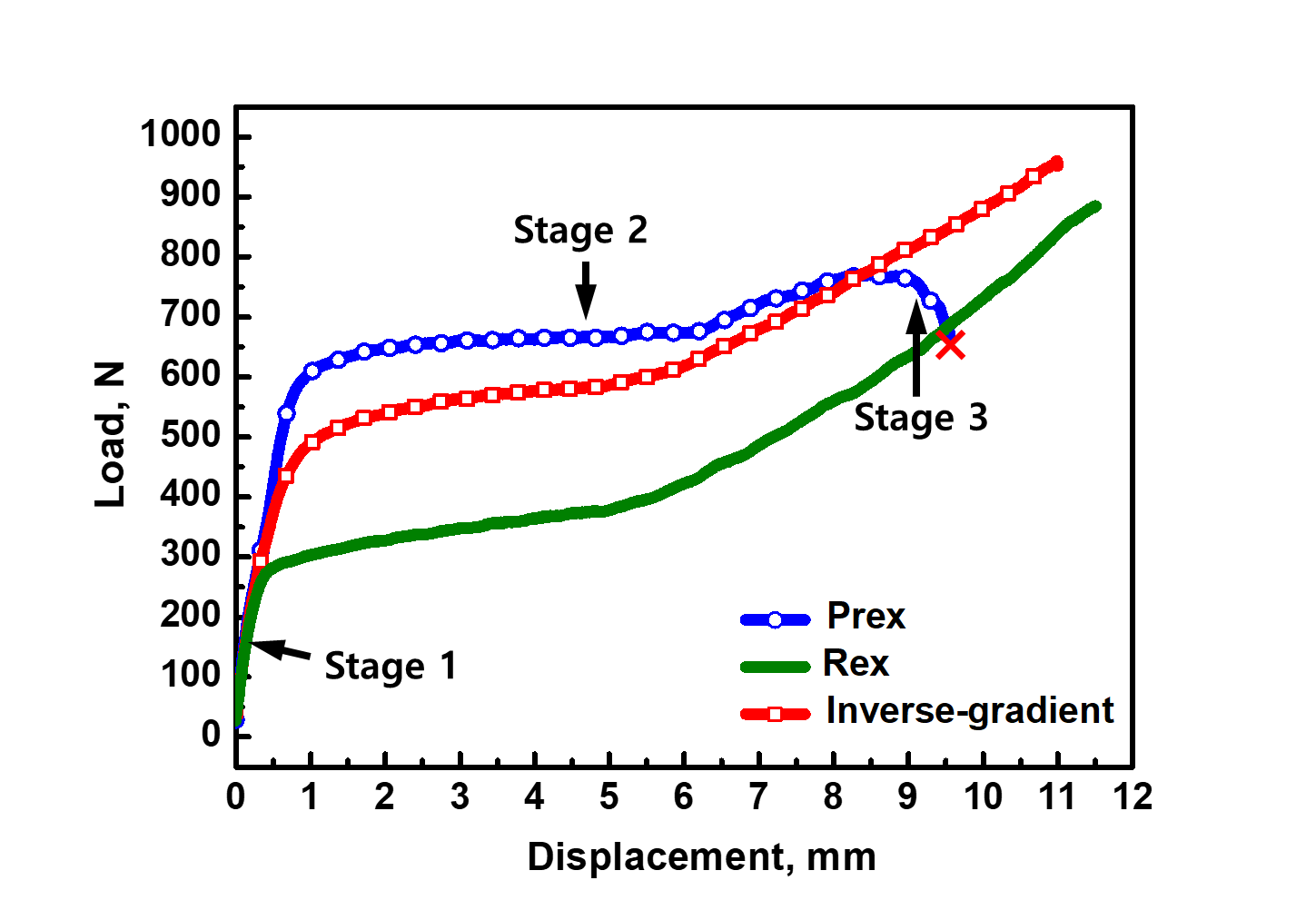
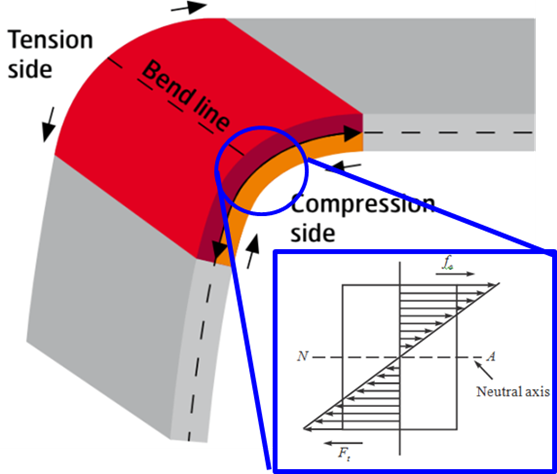
■ Three-point bending test
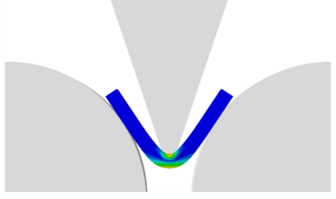
30 mm diameter
1 mm diameter
Velocity: 1 mm/s
Specimen: 20×5 mm2
Inverse-gradient
Prex
Rex

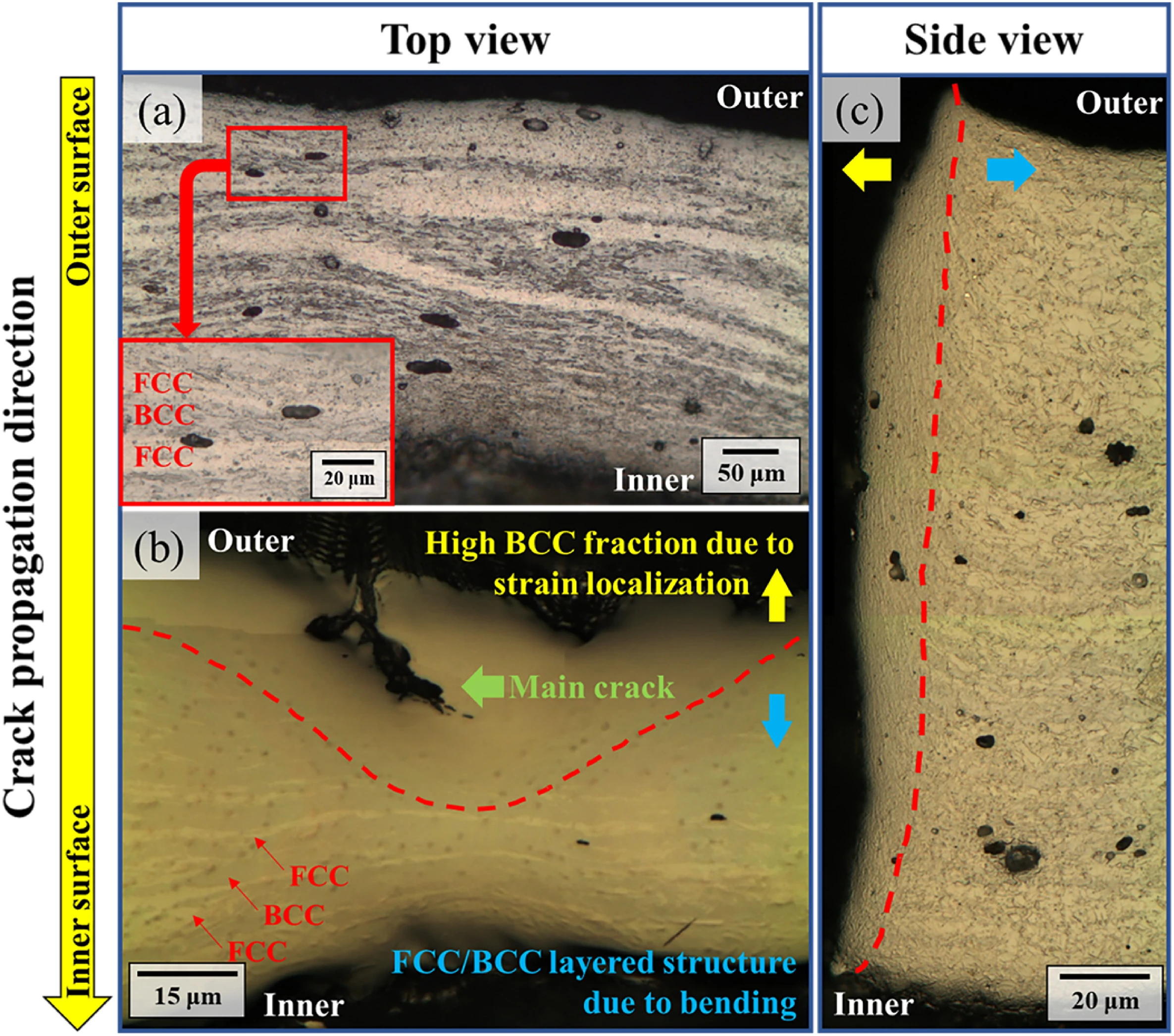
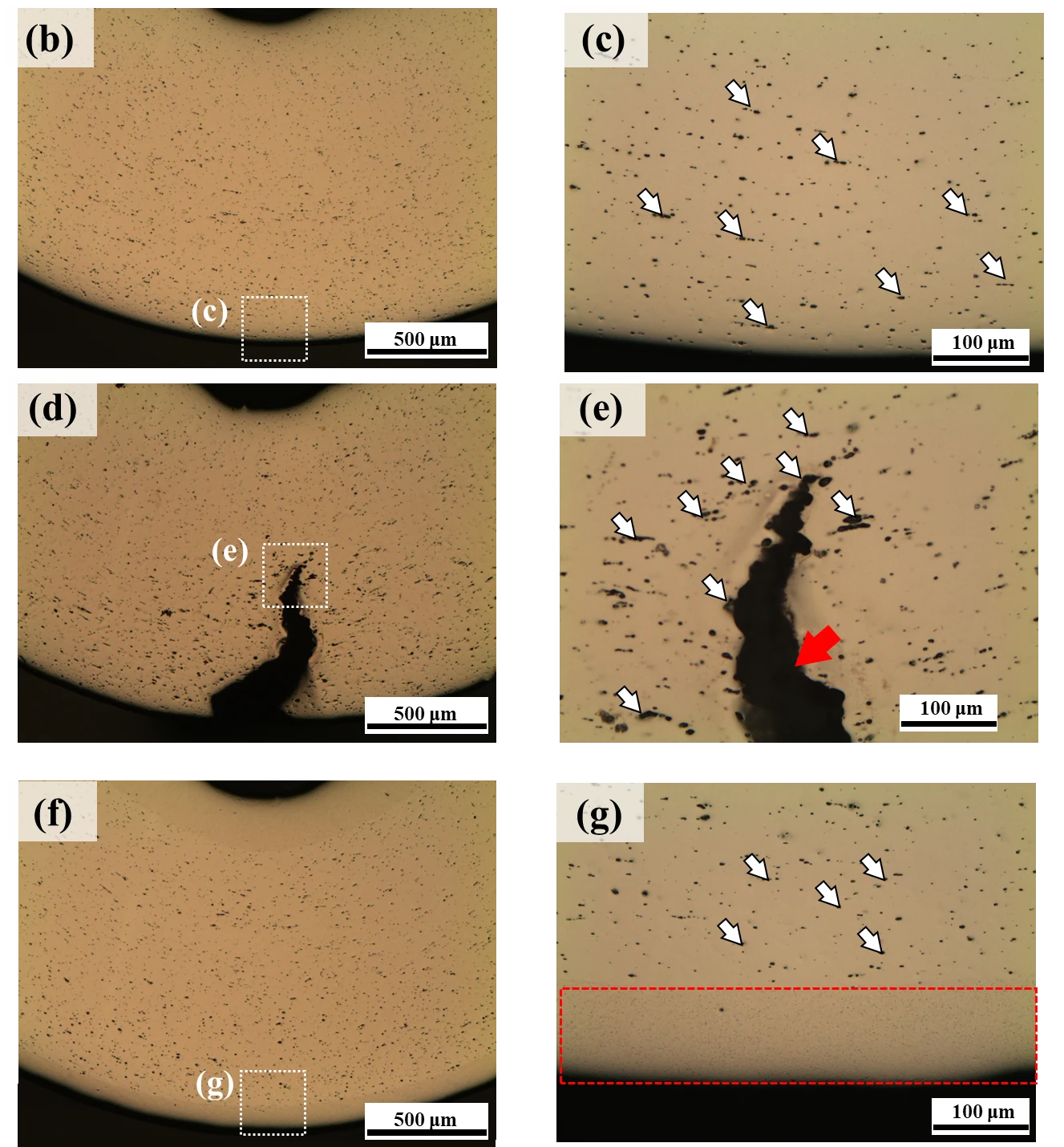
Microstructure after bending test
High formability on surface
of Inverse-gradient
Prevention
crack initiation
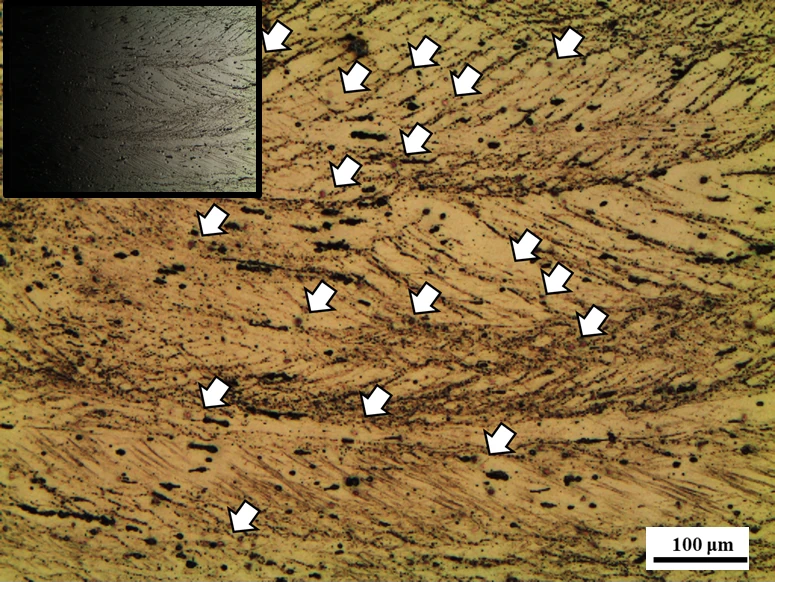
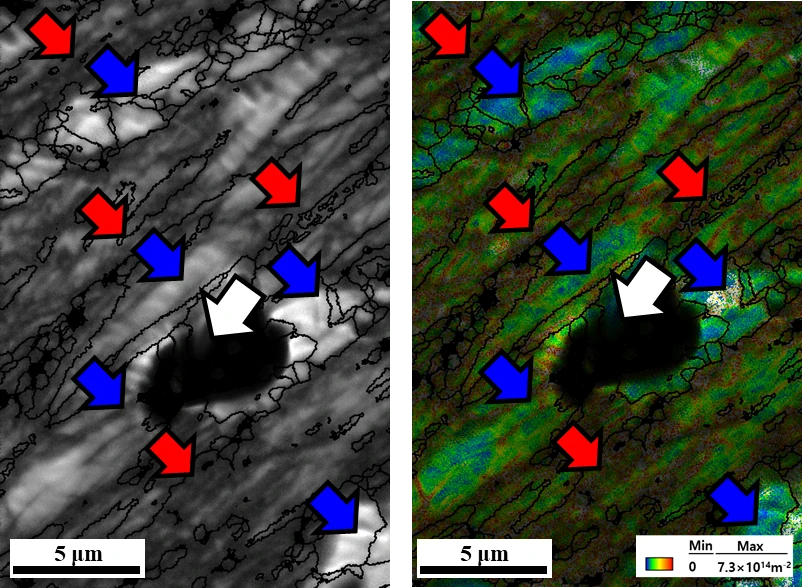
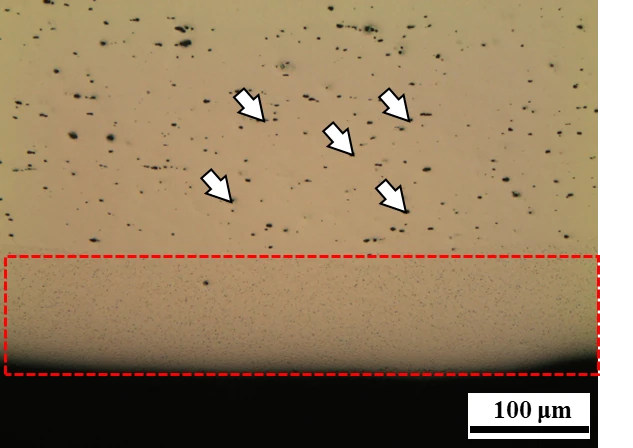
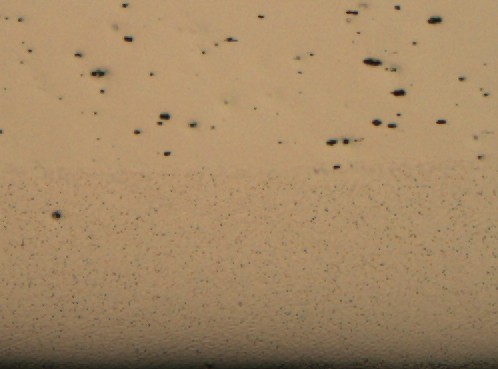

■ Observation after bending test

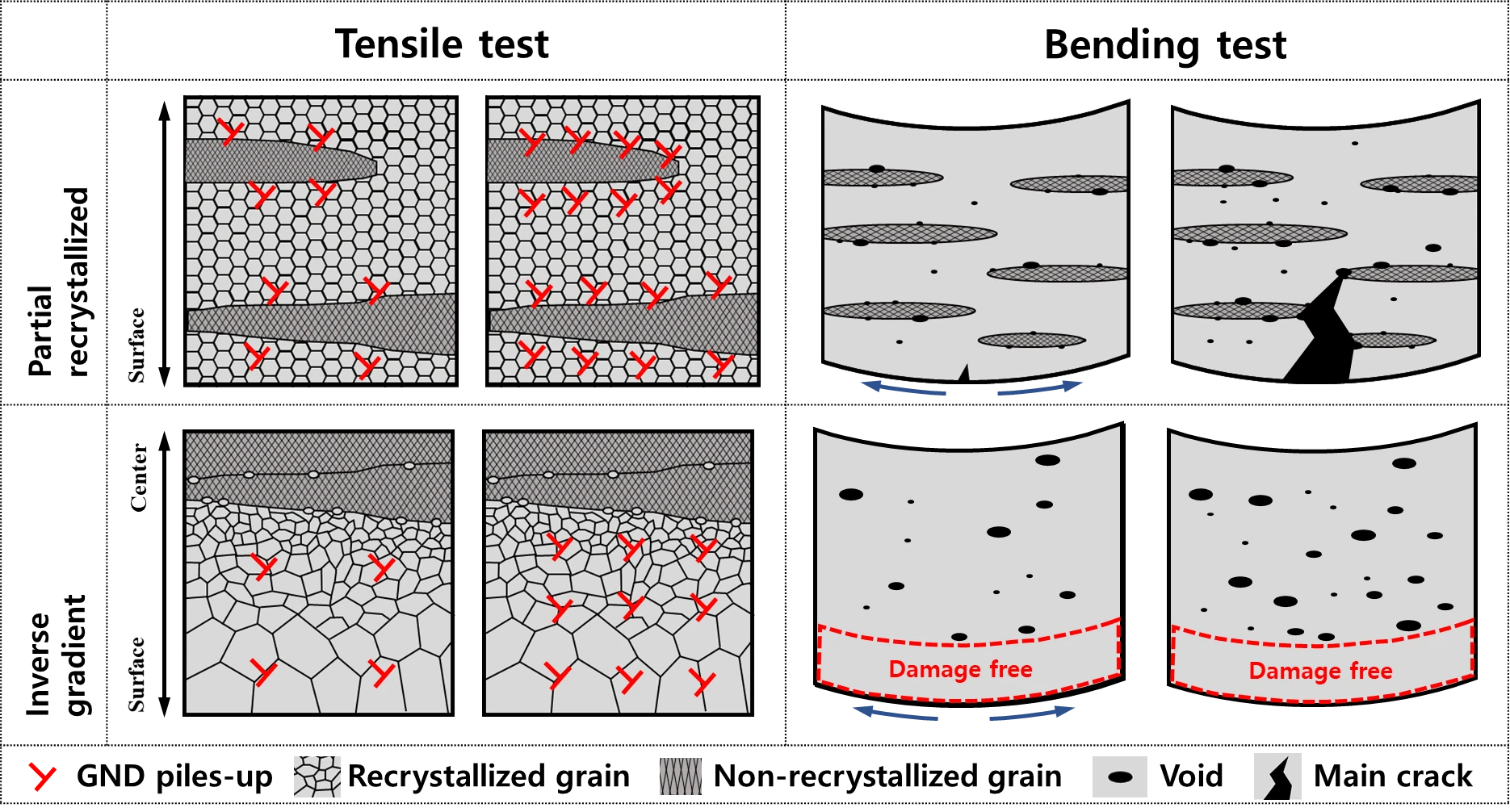
Prex
Inverse
gradient

Mechanism for obtaining excellent bending properties

Thank you
Further work
Local austenitization
~180° Bending

■ Research Methodology
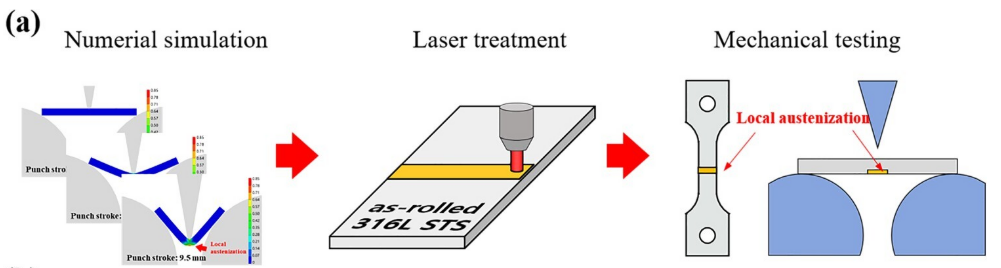

*Base Material: as-rolled 316L stainless steel
High formability of
High strength alloy
Martensite
Low formability

Local formability
Local austenitization
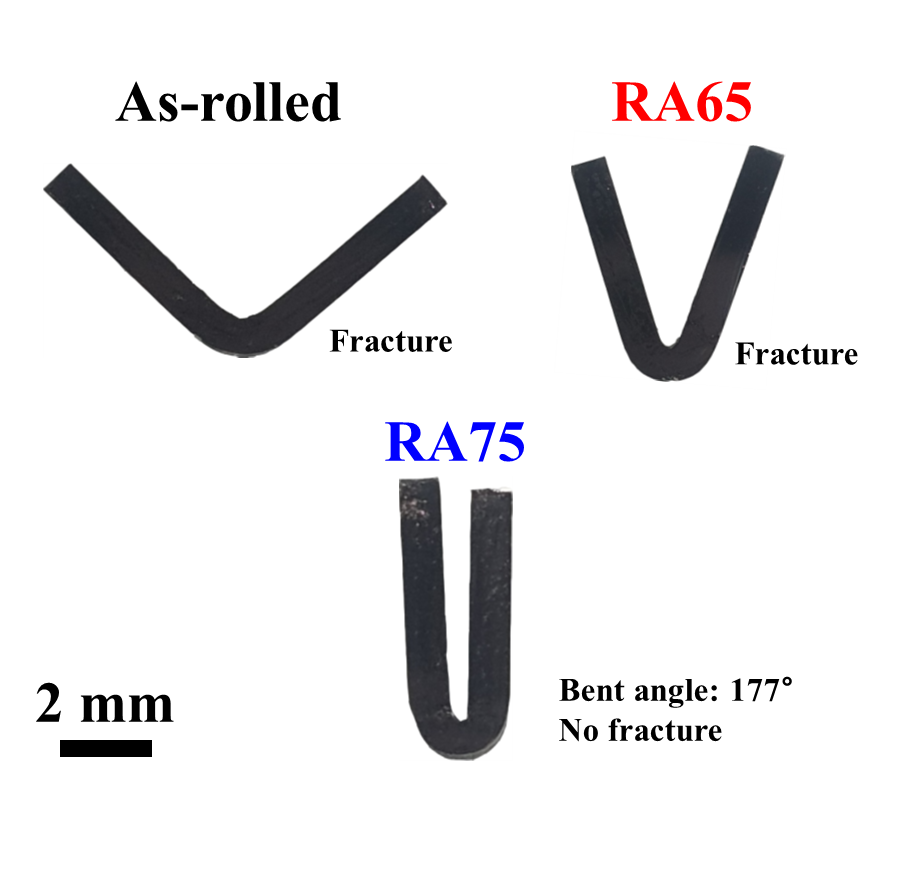
As-rolled
RA60 (60W laser)
RA75 (75W laser)

Local austenitization strategy

■ Local austenitization on the surface
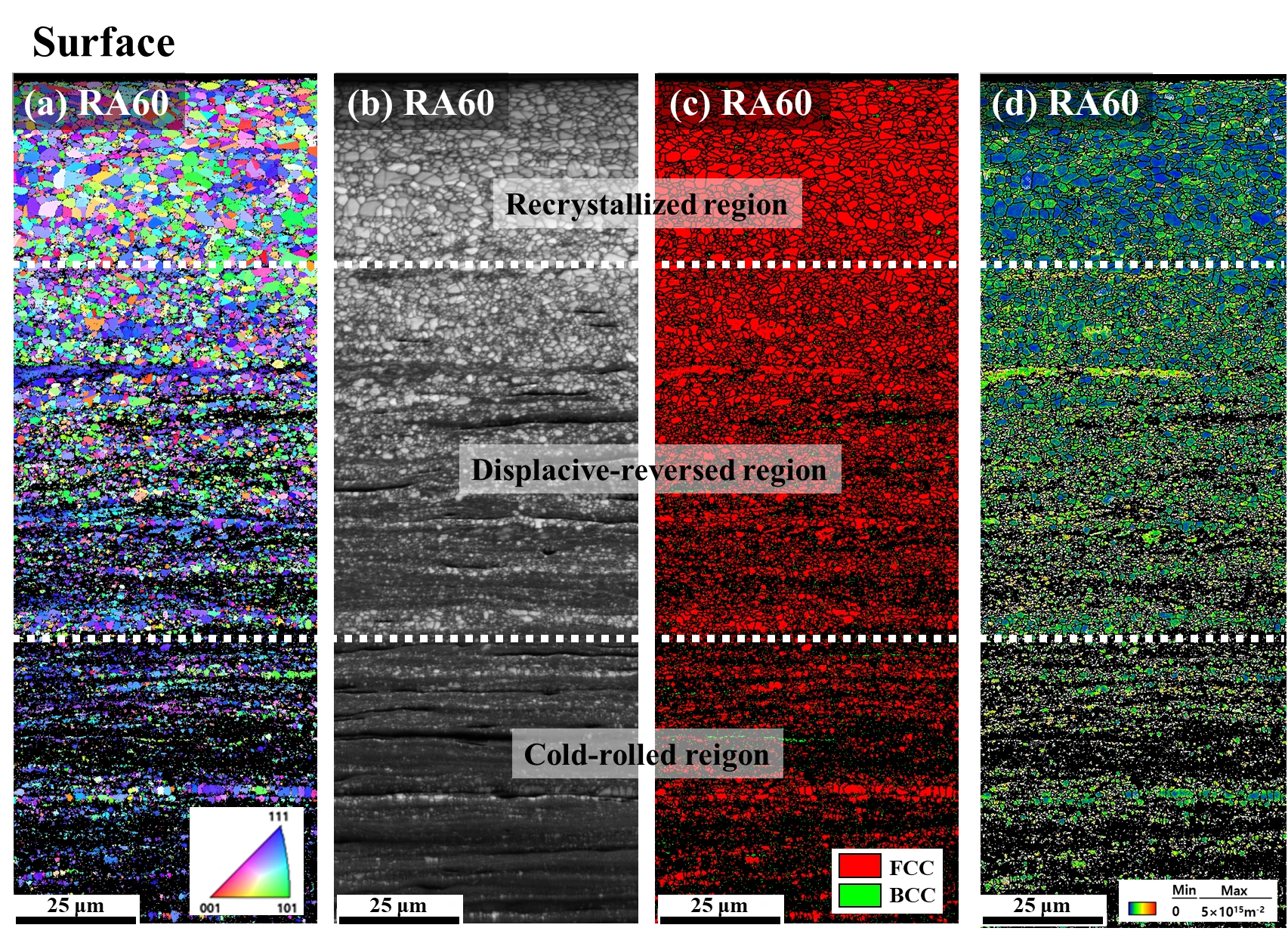
60W-Austenitization (RA60): 116 μm
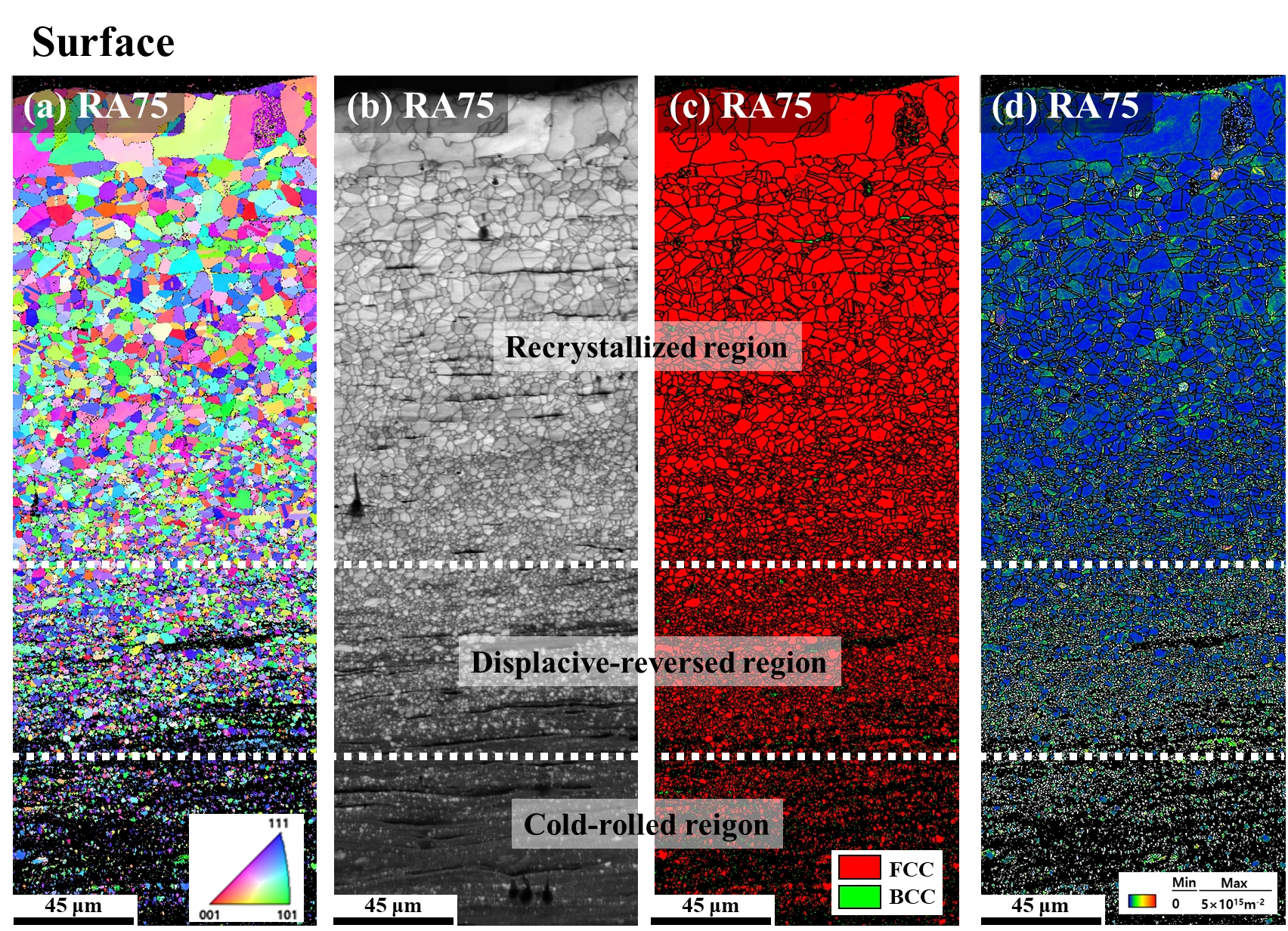
75W-Austenitization (RA75): 250 μm
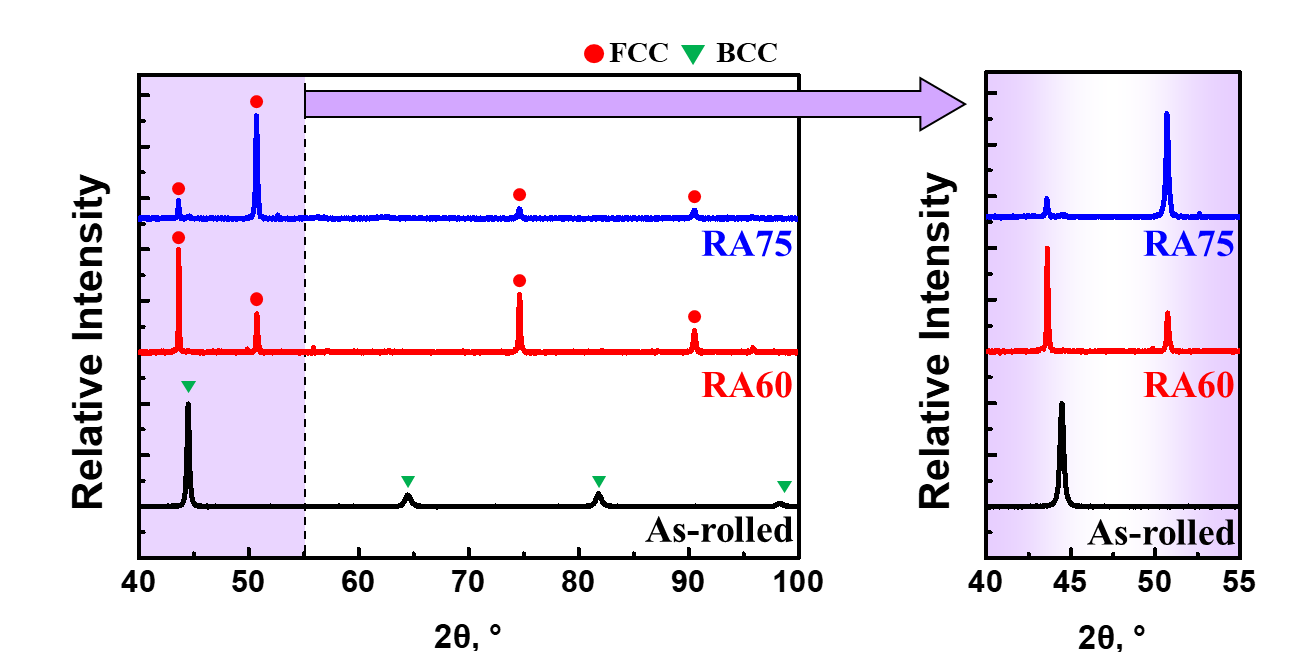
Initial microstructure

|
Alloys |
Tensile strength |
Elongation |
|
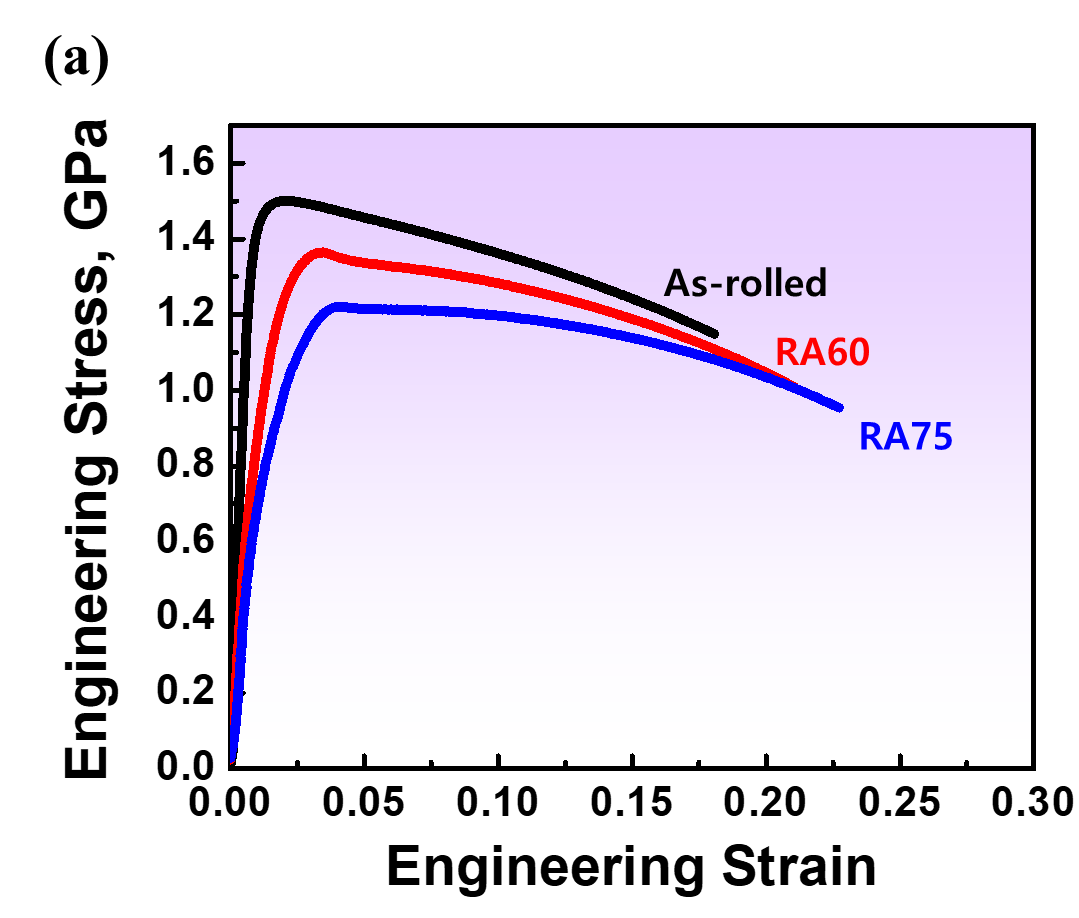
As-rolled |
1.50 GPa |
18.1% |
|
RA60 |
1.36 GPa |
21.1% |
|
RA75 |
1.22 GPa |
22.7% |
|
Alloys |
Bending angle at fracture |
|
As-rolled |
65° |
|
RA60 |
122° |
|
RA75 |
No fracture |

|
Alloys |
Tensile strength |
Elongation |
|
As-rolled |
1.50 GPa |
18.1% |
|
RA60 |
1.36 GPa |
21.1% |
|
RA75 |
1.22 GPa |
22.7% |
|
Alloys |
Bending angle at fracture |
|
As-rolled |
65° |
|
RA60 |
122° |
|
RA75 |
No fracture |
Mechanical Properties
Tensile test
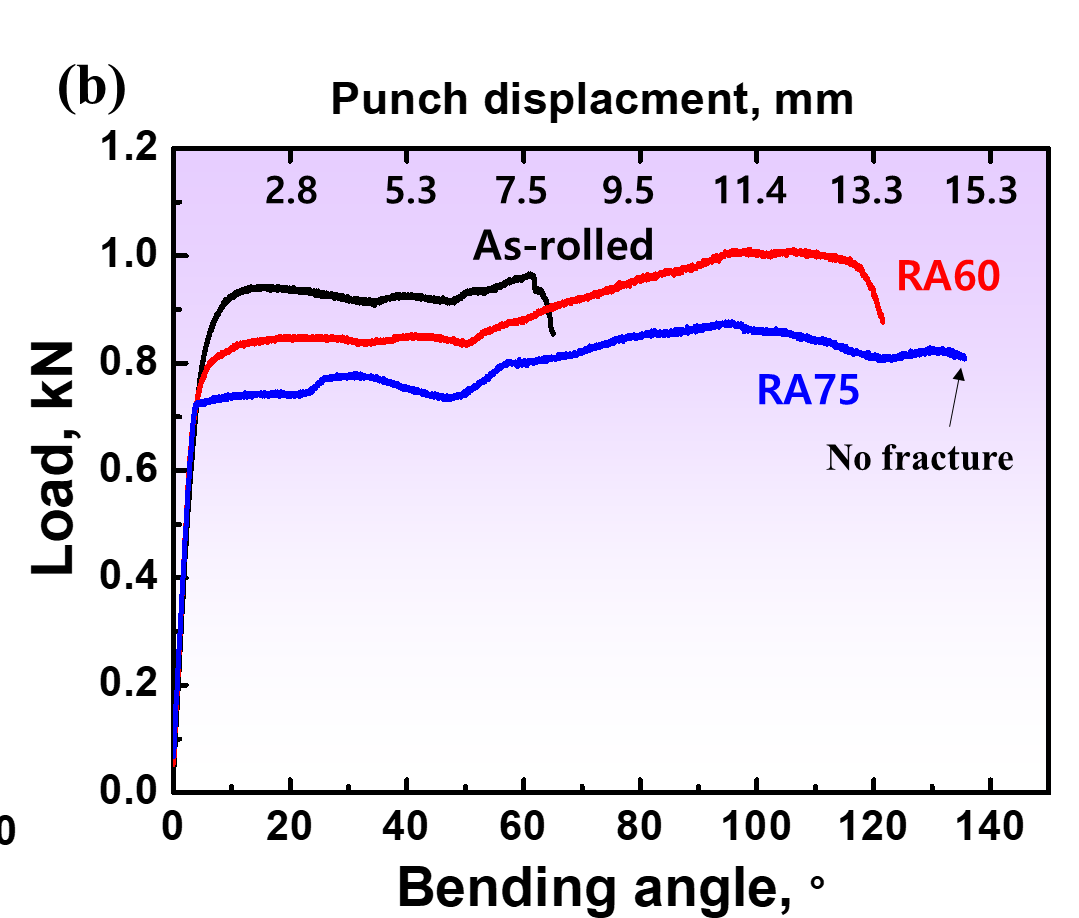
Three-point bending test


Mechanical Properties
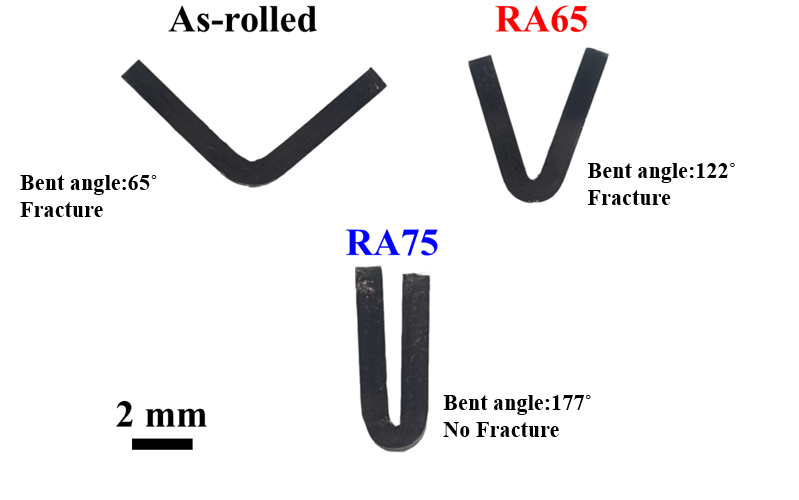
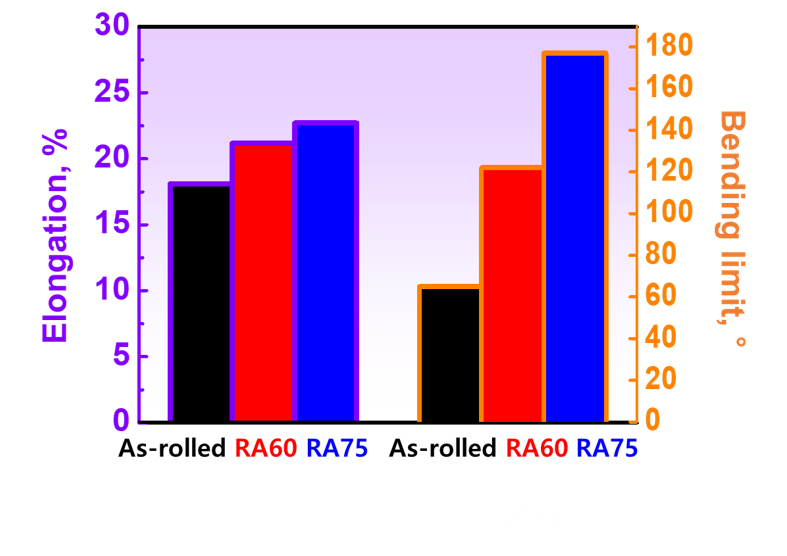
As-rolled
RA60
RA75

Conclusions
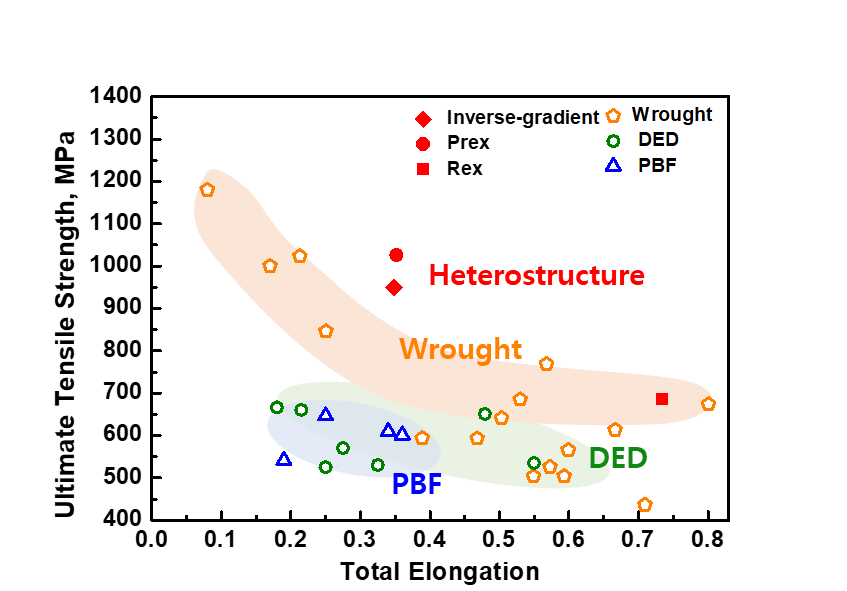


Tensile properties-Formability
Trade-off
Inverse-gradient
Design
Superior combination of
Tensile properties-Formability